

- admin
- /
vertical urbanism revolution: why vertical slums could be india's answer to urban sustainability
What if slums—home to over 1 billion people globally—weren’t urban tragedies but blueprints for resilient, sustainable cities?
Urbanism encompasses how people interact with their built environment, shaping everything from urban planning to social dynamics. In developing nations, particularly those with colonial legacies, primate city dominance creates urban centres that absorb disproportionate resources & population. This growth often feels parasitic rather than productive, spawning informal settlements commonly dismissed as failures.
Yet these dense communities represent untapped potential. While Chennai’s skyline showcases gleaming IT towers, coastal fishing communities like Nochikuppam demonstrate remarkable resourcefulness, community organization & environmental adaptation. As India’s urban population surges toward 600 million by 2030, the question isn’t whether cities can grow sustainably—it’s whether we’re bold enough to learn from communities that have been practicing sustainable urbanism out of necessity.
Before dismissing these settlements as urban problems, consider what makes them extraordinary laboratories for the future city. Here’s how slums can redefine sustainable urban development:
1. organized chaos: the hidden order
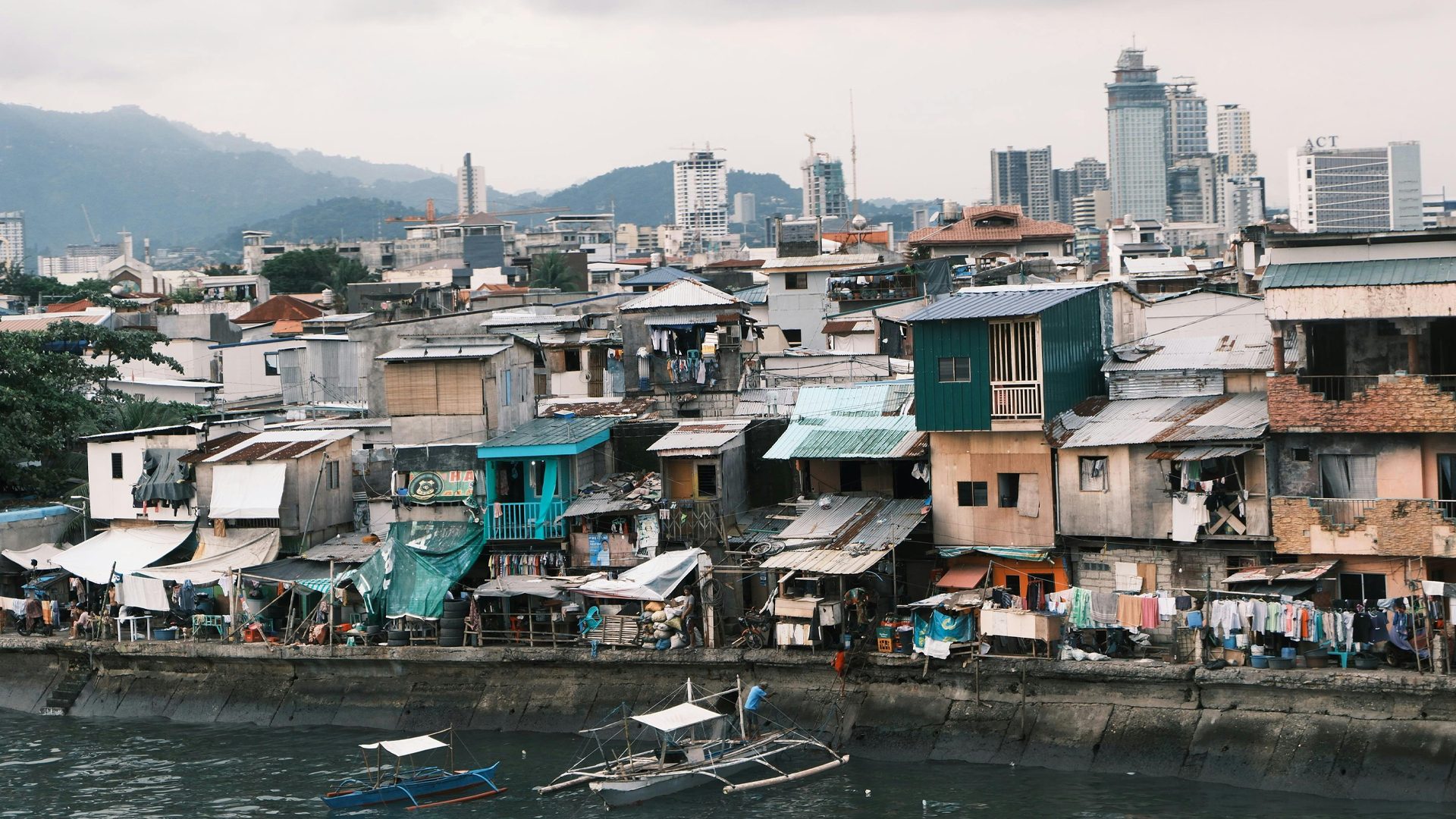
Though they seem chaotic to outsiders, slums organically operate with logic. These dense vicinities continuously evolve through residential improvements, seamlessly blending housing, commerce & small-scale industries. They epitomize what urban designers call “a city on the city”—achieving commendable functionality within minimal space.
2. hyper-efficient space utilization
Though slum settlements rarely exceed two stories, it houses large extended families through ingenious spatial layouts. Commercial premises integrate production & residential spaces with proximity & function, typically omitted by local zoning. This efficacy offers lessons for sustainable urban density.
3. living labs for circular economy
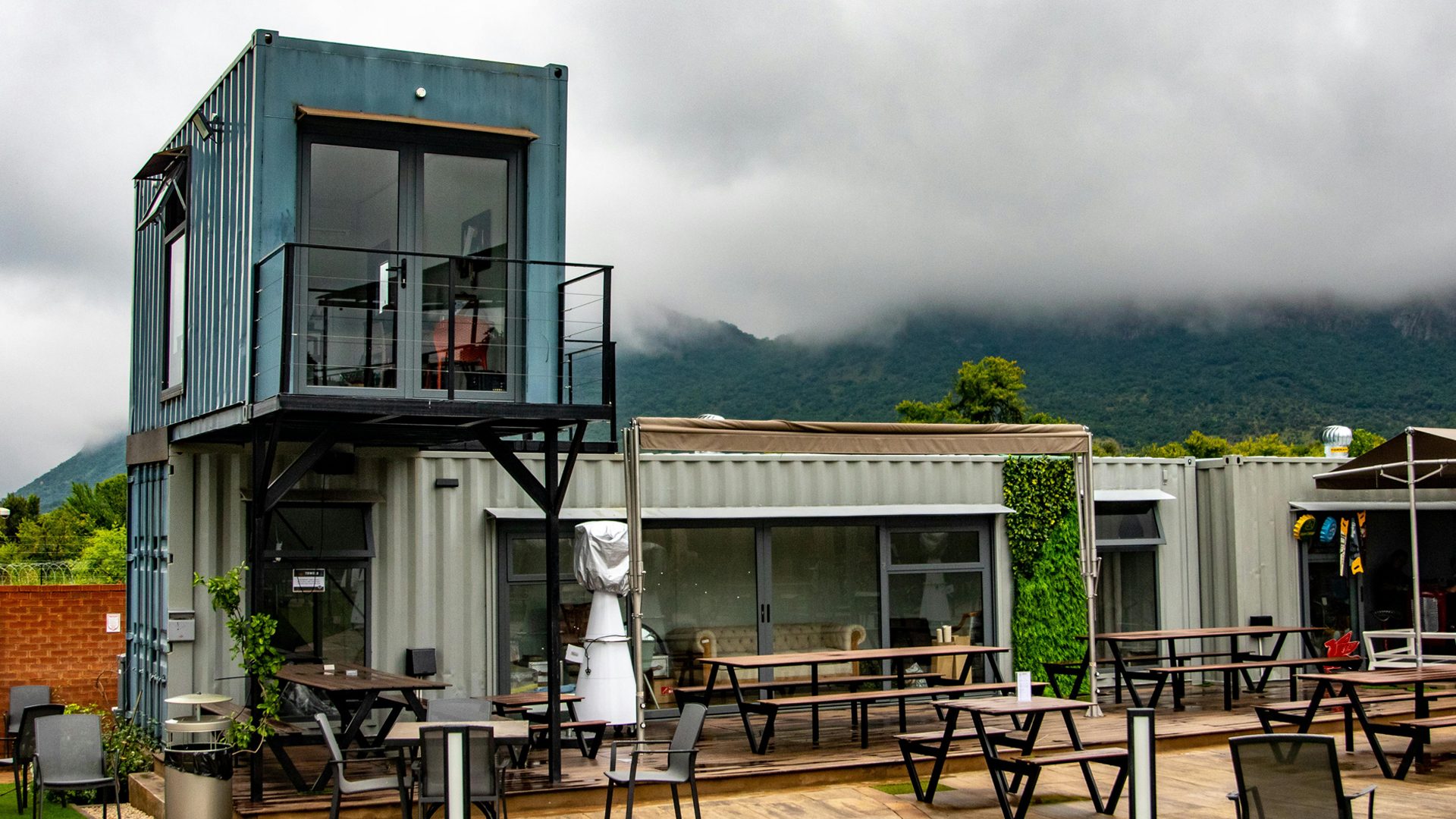
Slums encourage resources reuse, recycling & repurposing. From shipping containers becoming walls to discarded pipes forming structural elements, slums have perfected circular economy principles. Their low consumption poses minimal environmental impact—a sustainability model worth scaling.
4. economic ecosystems on the margins
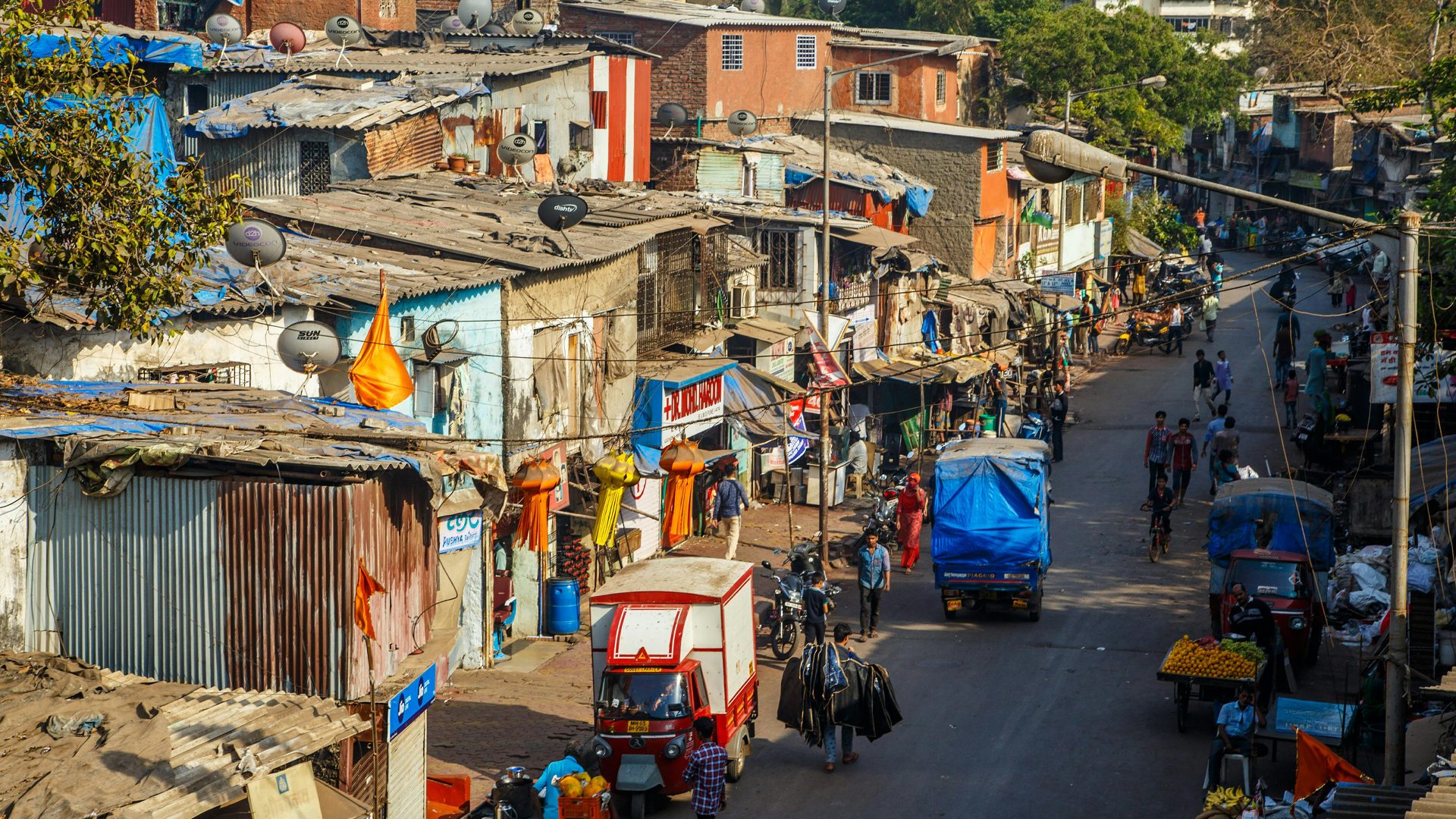
From informal retail networks to manufacturing hubs like Mumbai’s Dharavi, slums generate significant economic activity with minimal capital. Low labour costs combined with innovation & urgency create dense, productive & economic ecosystems. Scarcity breeds constant adaptation & entrepreneurship.
5. self-organizing communities
Where formal governance fails, residents step up with remarkable self-management capabilities. They demonstrate skills in construction, organization & community protection because survival depends on collective action. This social infrastructure represents invaluable urban resilience.
6. adaptive architecture
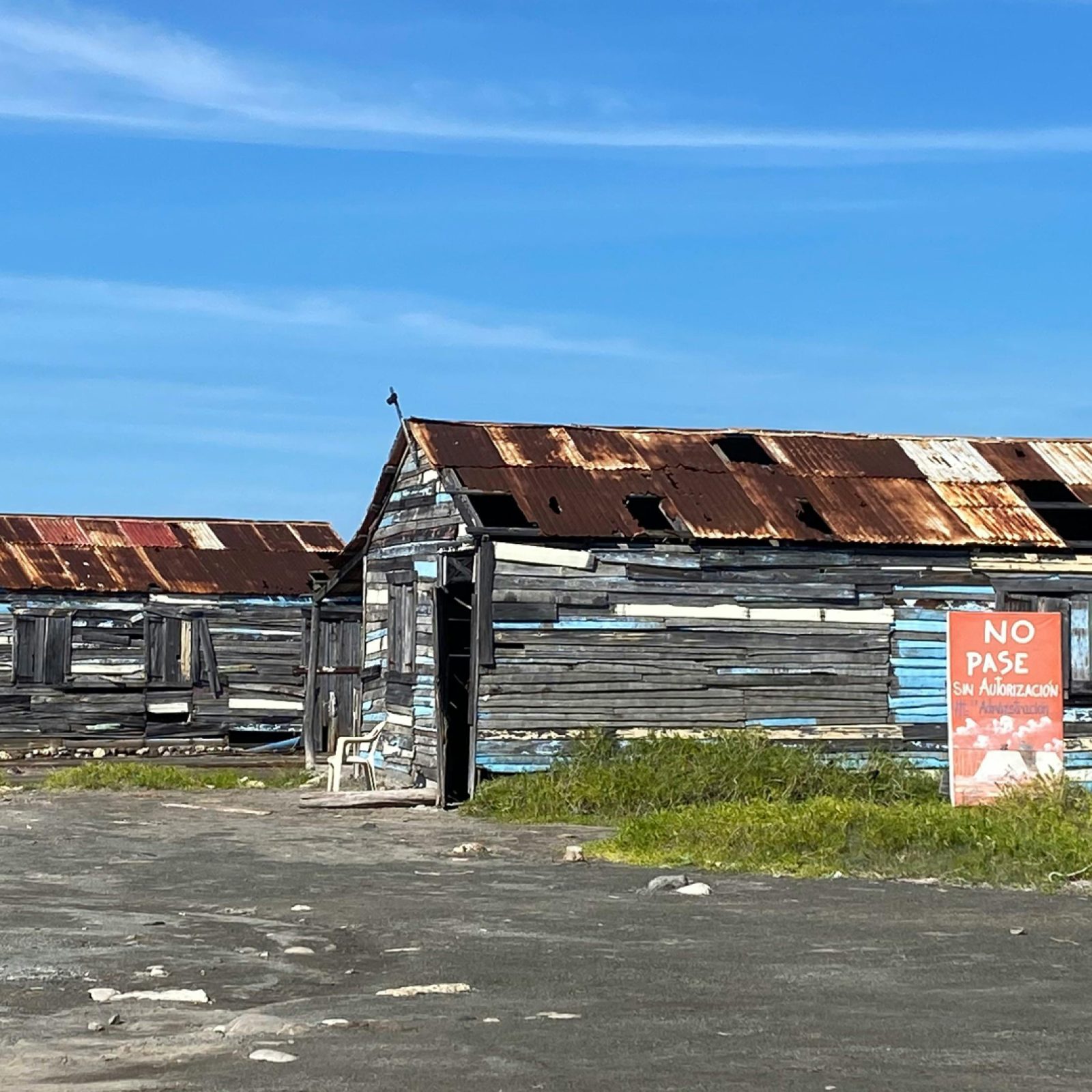
Built from salvaged materials like metal sheets, reclaimed wood, industrial waste—slum structures are inherently flexible, versatile & mobile. Buildings continuously adapt & change, responding to family needs, economic opportunities & environmental constraints with remarkable agility.
7. prototypes for future climates
Some key principles observed in slums like waste-free density, resource efficiency, mixed-use integration & community resilience align perfectly with sustainable urban development goals. These settlements subtly demonstrate what climate-responsive cities could become.
case study:
the shanty-scraper vision for nochikuppam

Inspired by these principles & Ken Yeang’s vertical urbanism theories, our Shanty-Scraper proposal reimagines housing for Chennai’s Nochikuppam fishing community—demonstrating how informal settlements can be elevated- literally & figuratively.
Core Innovation: A vertical structure that occupies minimal land while maximizing social, economic & ecological value for Marina Bay’s coastal residents.
key design elements

- Ocean-facing orientation provides a dignified connection to their primary resource & sea views which define their cultural identity.
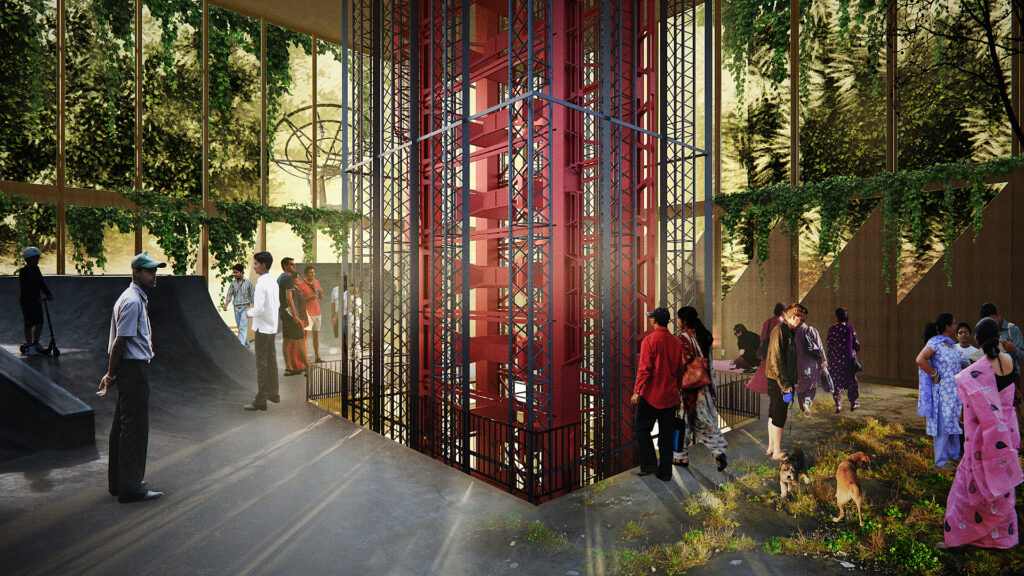
- Double-height community spaces serve as utility yards & social gathering areas, preserving communal life that define these neighbourhoods.

- Tsunami-resilient facade combines traditional materials with contemporary safety by utilizing timber cross-section mesh as primary defence against coastal hazards.
- Strategic elevation act as vantage points to fishermen for assessing ocean conditions & weather risks—turning height into livelihood advantage.
- Recycled structural framework built from post-construction debris, reinforcement bars & salvaged materials embody the community’s resourcefulness whilst ensuring structural integrity.
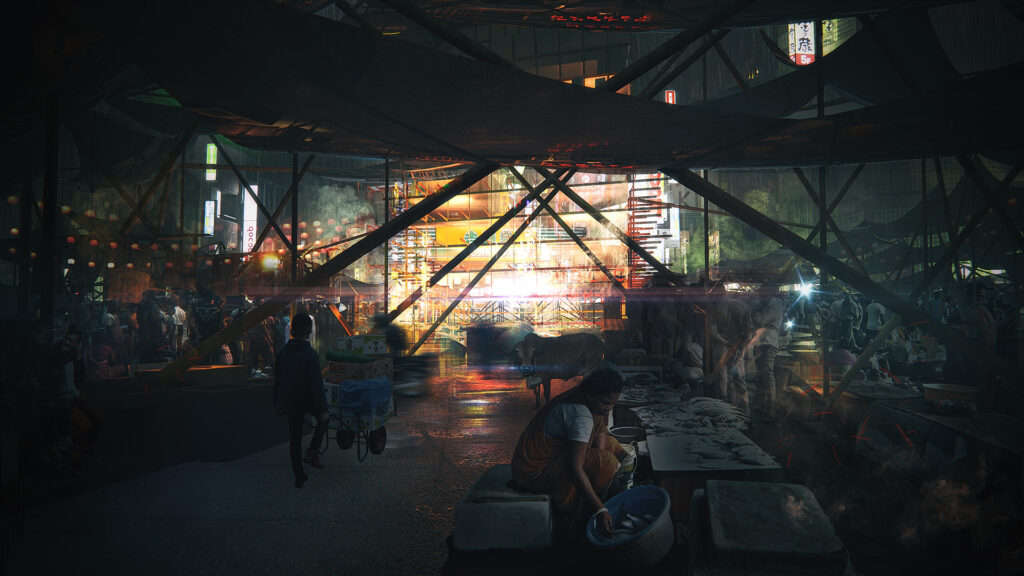
- Integrated marketplace embeds seafood trade within residential spaces, ensuring livelihood continuity & economic vitality.
More than affordable housing, it’s architecture that recognizes community intelligence, economic patterns & environmental adaptation strategies that have evolved over generations.
building cities that grow up, not out
Urban poverty won’t be solved through relocation—it demands integration. The slum of the future isn’t a slum at all, but a vertical ecosystem recognizing resident ingenuity, resilience & social capital. The Shanty-Scraper represents more than architecture—it’s a statement that every community deserves visibility, vertical dignity & voice in tomorrow’s cities.
Ready to rethink urban inequality through innovative spatial design? Partner with Midori Architects to create community-driven solutions that honour both context and aspiration. Contact us to explore how sustainable vertical urbanism can transform your next project.
about the firm
Midori Architects, founded by sustainable architecture pioneer Suraksha Acharya, stands uniquely positioned to translate informal settlement innovations into scalable architectural practice. Since 2015, our Chennai-based team has specialized in community-responsive urban design, studying how slum settlement principles can inform formal development.
Our award-winning approach integrates dense urban infill projects with resilient community housing, consistently bridging formal & informal architectural intelligence. Through projects like the Shanty-Scraper, we challenge conventional typologies while proving architecture can simultaneously uplift lives & reshape cities through climate-responsive design & social equity.