
- admin
- /
SUSTAINABILITY AS A BUILDER DIFFERENTIATOR: WHAT WORKS IN INDIAN MARKETS
Have you ever invested in a “sustainable” building only to find that your operational costs and carbon footprint remain stubbornly high?
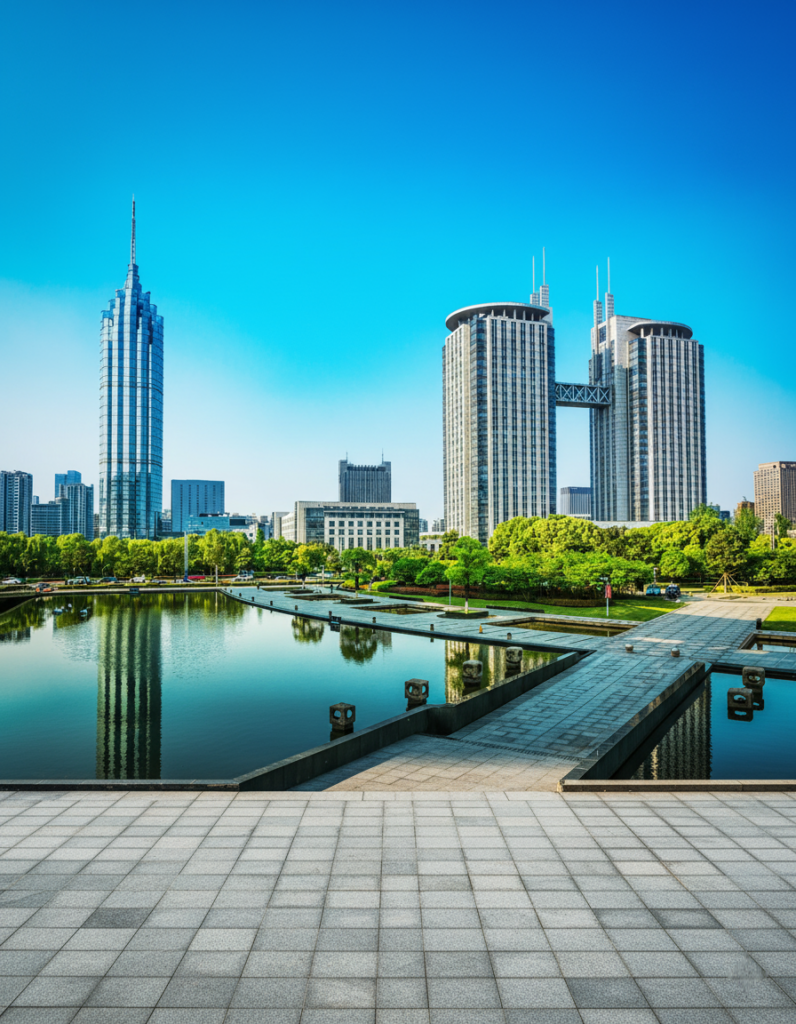
For decades, the Indian real estate sector followed a legacy playbook, prioritizing flashy glass boxes and sheer scale. However, as the industry accelerates toward a USD one trillion valuation, that model is fast becoming a financial liability. Many developers approach sustainability as a marketing brochure “add-on,” but true resilience requires a shift from aesthetic grandiosity to high-performance ecosystems.
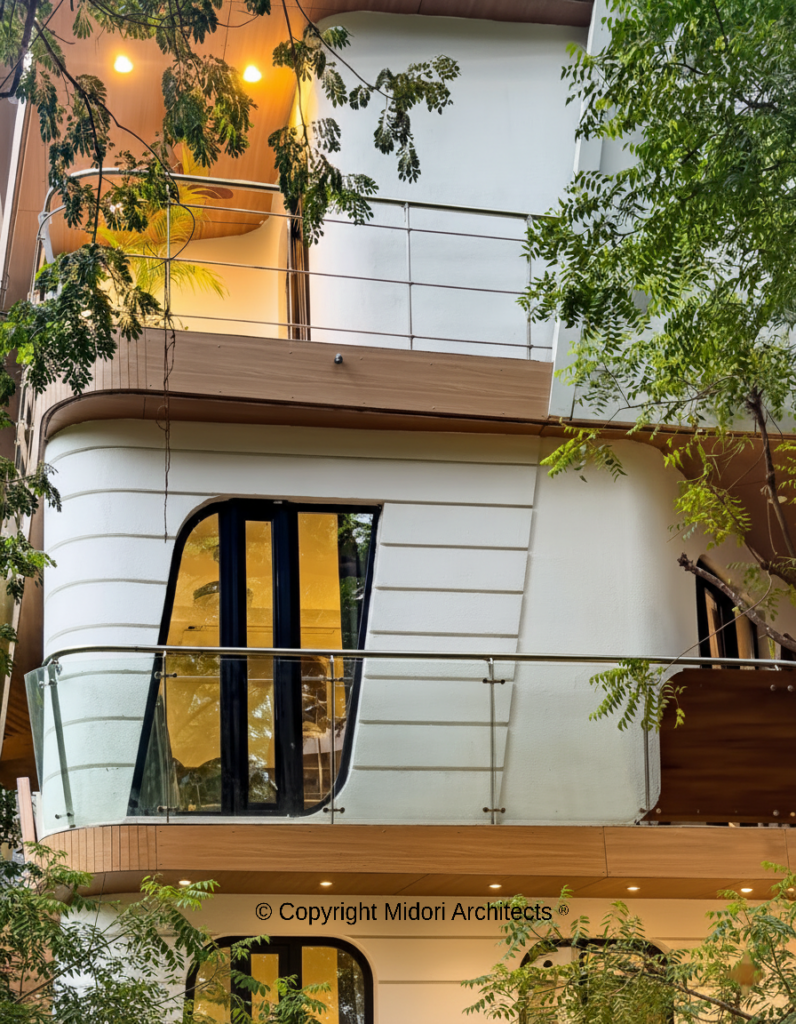
At Midori Architects, we have found that “sustainable solutions” often fail because they are treated as add-ons. What works is making fundamental changes to the building’s DNA. When searching for a house architect near me, most clients look for an aesthetic; we suggest looking for climate intelligence. In our recent project, the Bhawar Residence in Chennai, we achieved an Energy Performance Index (EPI) of just 6.7kWh/sq.m annually. This isn’t just “eco-friendly”; it is a Net-Zero operational reality.
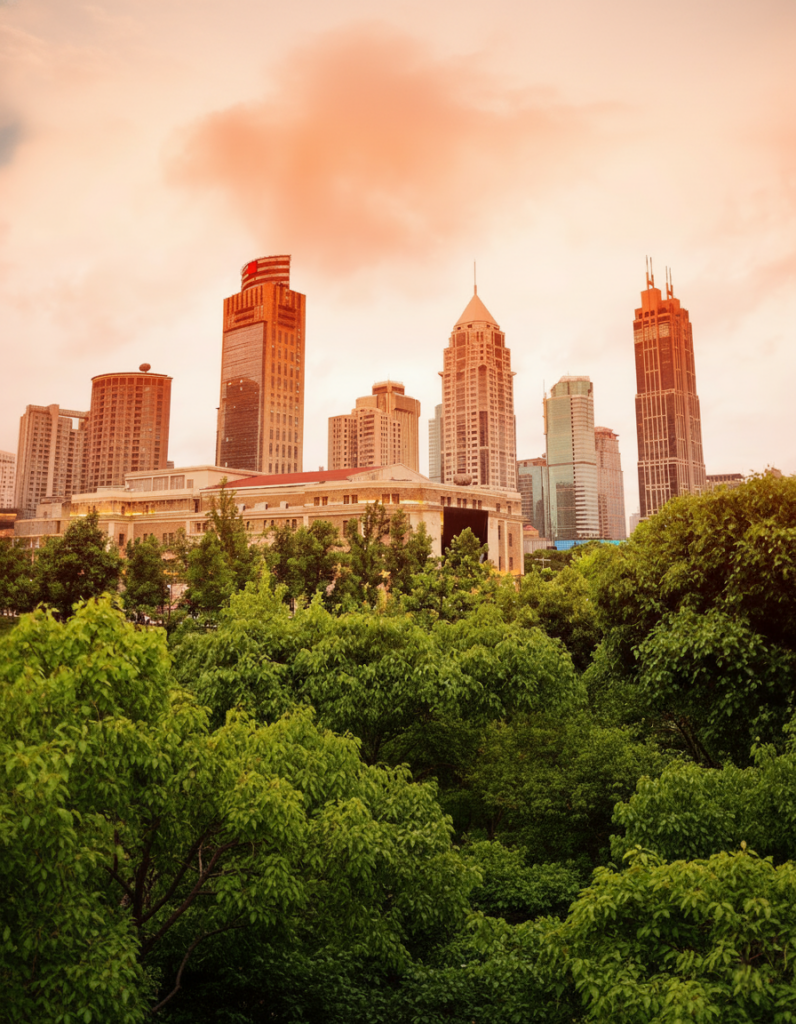
1. THE REALITY OF HIDDEN CARBON: “EMBODIED” IS THE NEW “OPERATIONAL” SHIFT
The logic behind a high-performance home starts with the sun. We rotated the entire floor plate of the residence 12 degrees clockwise. This wasn’t a stylistic choice; it was a strategic move to enhance the “Venturi effect” through the central atrium. By aligning the massing to the wind and sun, we reduced direct heat gain by nearly 30%, ensuring the building remains naturally cooler before a single mechanical system is turned on.
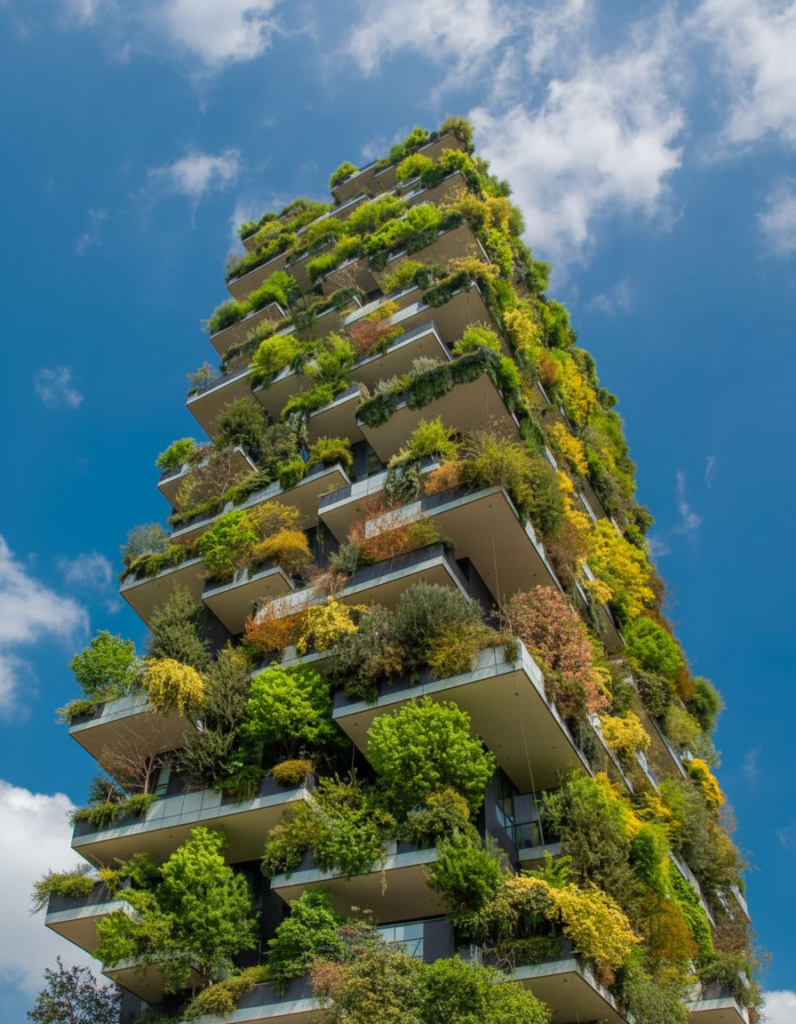
2. THE DISTRICT COOLING REVOLUTION: BEYOND INDIVIDUAL ACS
In high-density urban hubs, traditional decentralized HVAC systems are an engineering dead end. The future belongs to District Cooling Systems, an infrastructure shift that treats cooling as a scalable utility.
By utilizing advanced Pressure Independent Balancing Control (PIBC) Valves, these systems eliminate manual adjustments and precisely regulate flow. This technology represents a “plug-and-play” scalability that reduces long-term CapEx. This is why when searching for a building architect near me, it is vital to find a partner who understands precinct-level infrastructure rather than just singular building systems.
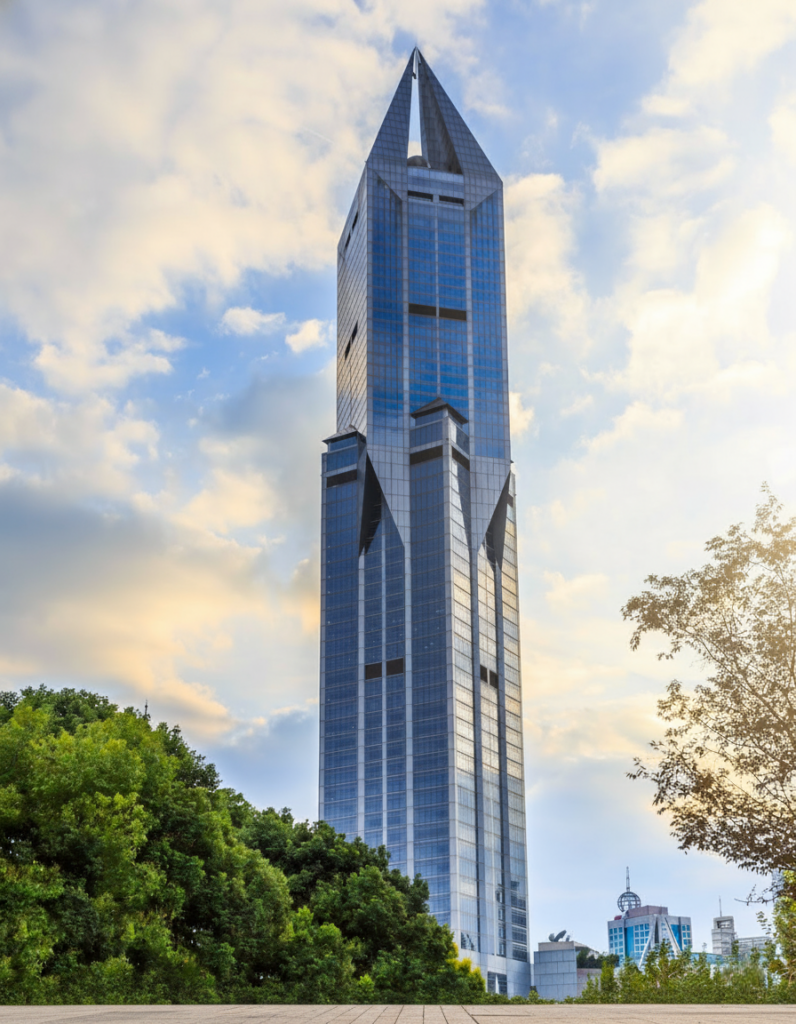
3. TURNING WASTEWATER INTO A RESOURCE: THE 4R PHILOSOPHY
Water scarcity is a fundamental threat to urban asset value. Leading-edge projects are moving toward a 4R Strategy: Reduce, Recycle, Reuse, and Replenish.
The technical cornerstone is the Membrane Bioreactor (MBR) technology in Sewage Treatment Plants. By producing treated water with Biological Oxygen Demand (BOD) levels under 5mg/L, developers can reuse high-grade water for cooling towers and flushing, reducing the total water footprint by 25–30%.
4. CIRCULARITY AS A LOGISTICS HACK: THE POWER OF LOCAL SOURCING
Building green is a supply chain challenge. To aggressively reduce Scope 3 emissions, we treat local sourcing as a strategic lever. This is evidenced by the diversion of 75% of construction waste from landfills through the integration of industrial byproducts like AAC Blocks and Fly Ash Bricks.
Building green is a supply chain challenge. To aggressively reduce Scope 3 emissions, we treat local sourcing as a strategic lever. This is evidenced by the diversion of 75% of construction waste from landfills through the integration of industrial byproducts like AAC Blocks and Fly Ash Bricks.

5. THE SOCIAL SIDE OF GREEN: WORKFORCE AS AN ESG METRIC
Sustainability is not just concrete and steel; it is about human capital. Using tools like the AMBER AI chatbot to monitor employee sentiment (currently yielding a 91% engagement score), we prove that transparency is a driver for growth.
This human-centric approach is shared by the most forward-thinking residential architects in Chennai. When combined with 100% human rights training for the workforce, the “social” metric becomes a tangible asset that protects a project’s reputation and operational stability. Similarly, the best interior design firms in Chennai are now focusing on Indoor Environmental Quality (IEQ) to protect the health of the end-user.
ABOUT THE FIRM:
Midori Architects brings deep expertise in climate-responsive design to every coastal waterfront project. Founded by sustainable architecture pioneer Suraksha Acharya, our Chennai-based team understands the unique challenges & opportunities of India’s diverse climates-from humidity to intense monsoons.
Our award-winning approach to waterfront architecture integrates environmental performance with luxury experience, developing successful & fluid designs that gracefully thrives in dynamic conditions.
Every coastal project reflects our commitment to designs that capture natural forces, reduce operational costs & create memories that celebrate rather than isolated from the marine environment. We believe the future of waterfront development lies in buildings that breathe with the ocean.