
- admin
- /
DESIGNING INTERIORS THAT LAST, ADAPT & REDUCE IMPACT
What if true sustainable design isn’t about adding more “eco-friendly” elements but about
making fewer, smarter decisions from the start?
Many spaces today are labelled “sustainable,” yet rely heavily on short-term materials, excessive finishes, and fast-changing trends. These choices may look good initially, but often age quickly, requiring constant updates and replacements defeating the very purpose of sustainability.
This creates a cycle of consumption where spaces are constantly refreshed rather than thoughtfully sustained. It also increases embodied energy over time, often going unnoticed in design decisions. Ultimately, what appears sustainable on the surface may carry long-term environmental costs
Most decorators genuinely aim to create beautiful, meaningful interiors. But in the process,
materials are often specified without considering longevity, lifecycle impact, or
maintenance. Over time, this leads to increased costs, material waste, and spaces that lose both relevance and performance.
Clients may not immediately see these consequences, but they experience them through wear, repairs, and replacements. Designers therefore play a key role in guiding better longterm decisions. A shift in mindset can transform outcomes significantly.
1. PRIORITIZE LONGEVITY OVER TRENDS
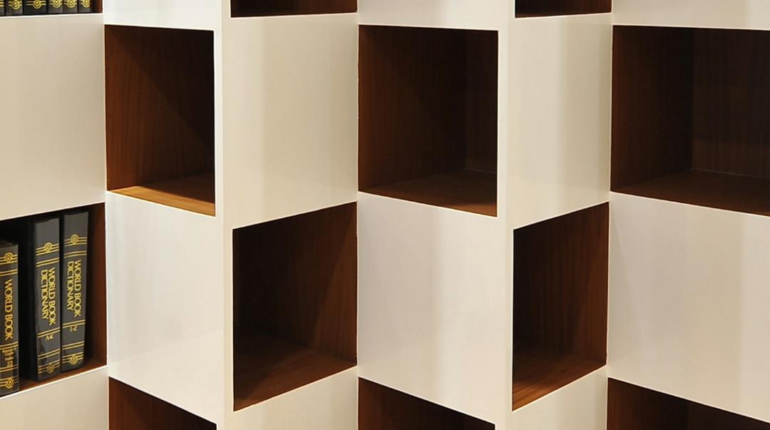
Design trends change quickly but materials that age well tell a story over time. Opt for finishes that develop character instead of deteriorating. Timeless palettes and durable materials ensure that interiors remain relevant for years without major interventions. This reduces both renovation frequency and material waste. Choosing longevity also builds emotional value, as spaces grow richer and more personal over time.
Spaces designed with longevity in mind reduce the need for frequent renovations, saving both cost and resources. In Considering interior design firms in Chennai, it also minimizes disruption for users, maintaining comfort and continuity. Long-lasting design is both economically and
environmentally efficient. In the long run, durability becomes one of the most sustainable choices a designer can make.
2. USE NATURAL & LOW-IMPACT MATERIALS
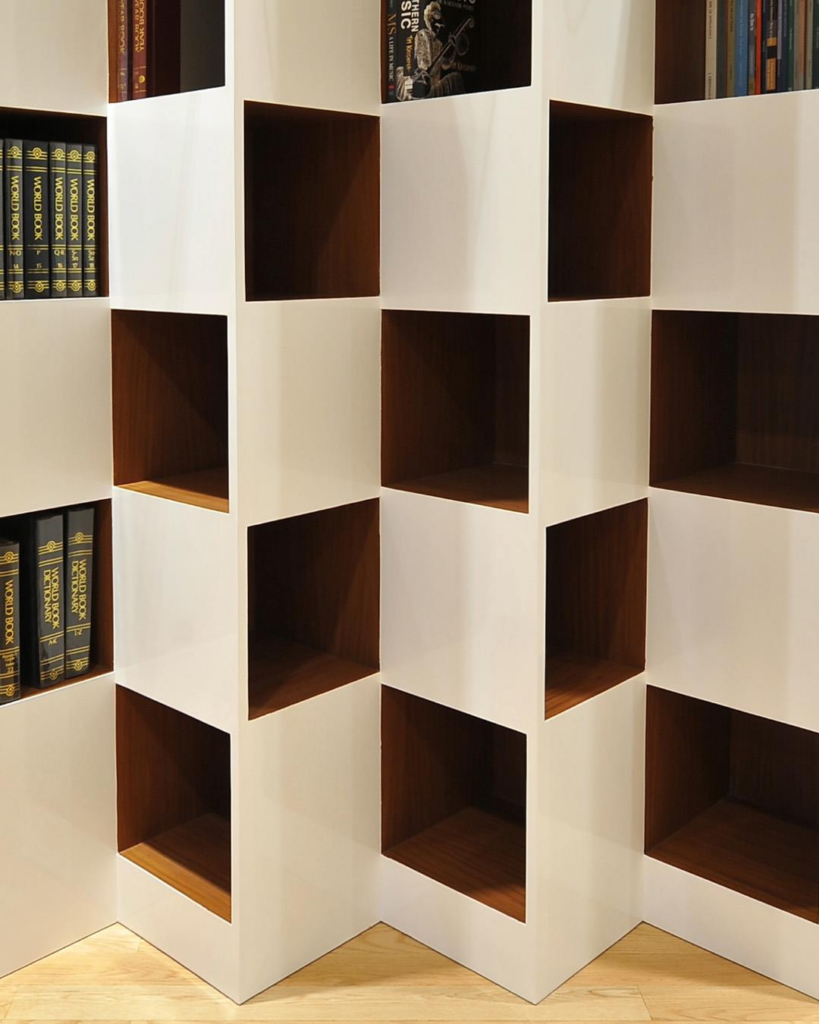
Natural materials like wood, stone, lime plaster, and textiles not only reduce environmental impact but also improve indoor air quality and sensory comfort. They bring warmth, texture, and authenticity that synthetic materials often lack. These
materials also age gracefully, enhancing the overall experience of the space.
Selecting low-VOC and non-toxic finishes contributes to healthier indoor environments for occupants.
The goal is not perfection—but conscious material selection with lower embodied energy. Even small substitutions can significantly reduce the overall environmental footprint. Designers can make impactful choices without compromising on aesthetics. Awareness and intent are key to making better material decisions.
3. DESIGN FOR ADAPTABILITY
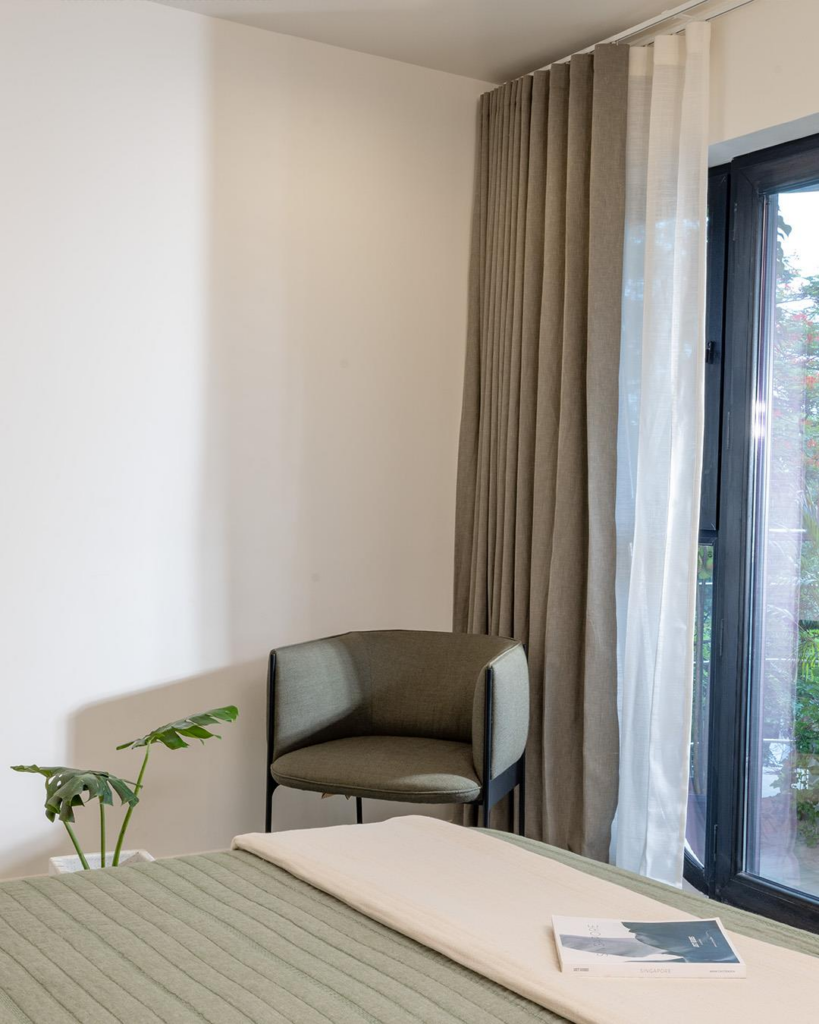
Spaces should evolve with users. Designing adaptable layouts and modular elements ensures interiors remain relevant despite changing needs. Flexible furniture and layouts allow for multiple uses within the same footprint. This reduces the need for future redesign or expansion. Adaptability is especially important in compact or urban living environments.
Flexibility extends lifespan—reducing demolition, redesign, and waste. It also allows spaces to respond to lifestyle changes without major structural interventions. This makes interiors more resilient over time.A well-designed adaptable space can serve multiple generations and functions.
4. SOURCE LOCALLY & RESPONSIBLY
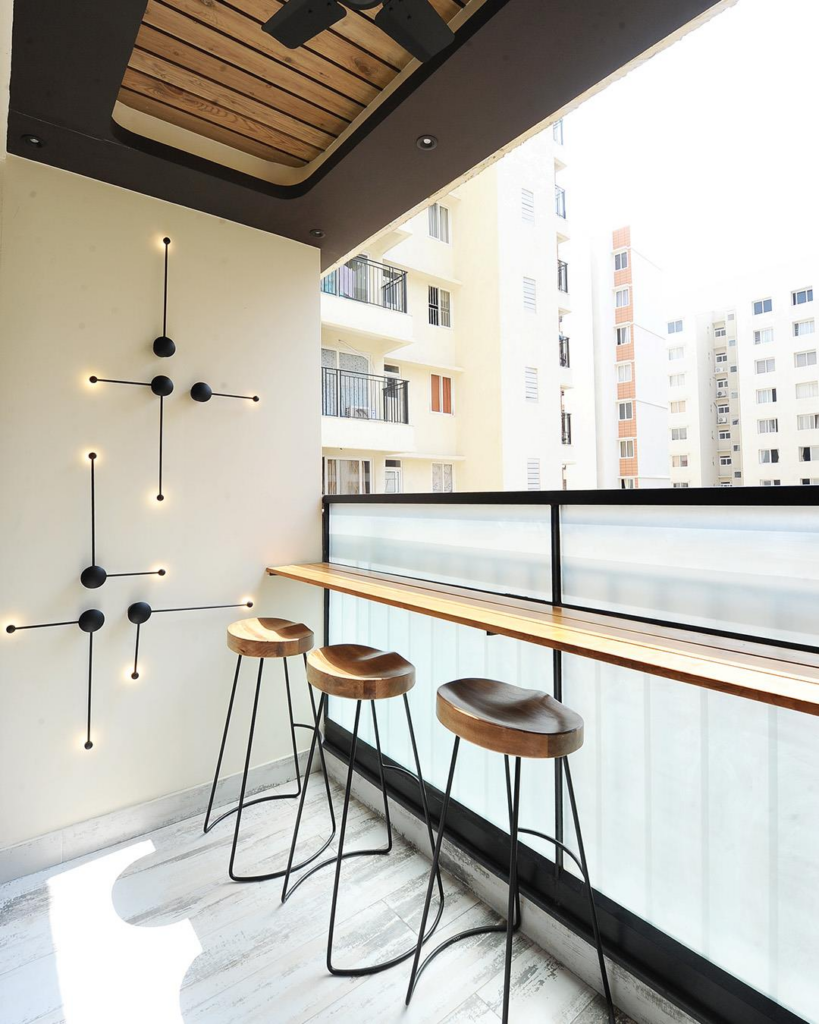
Locally sourced materials reduce transportation footprint and support regional craftsmanship. They also strengthen local economies and preserve traditional skills. Working with local artisans often results in more unique and context-driven design outcomes. This approach builds a stronger connection between the space and its surroundings.
They also ensure better climate compatibility and contextual relevance in design. Materials sourced locally tend to perform better in their native environments. This enhances durability and reduces maintenance needs. Responsible sourcing creates a balance between design, culture, and sustainability.
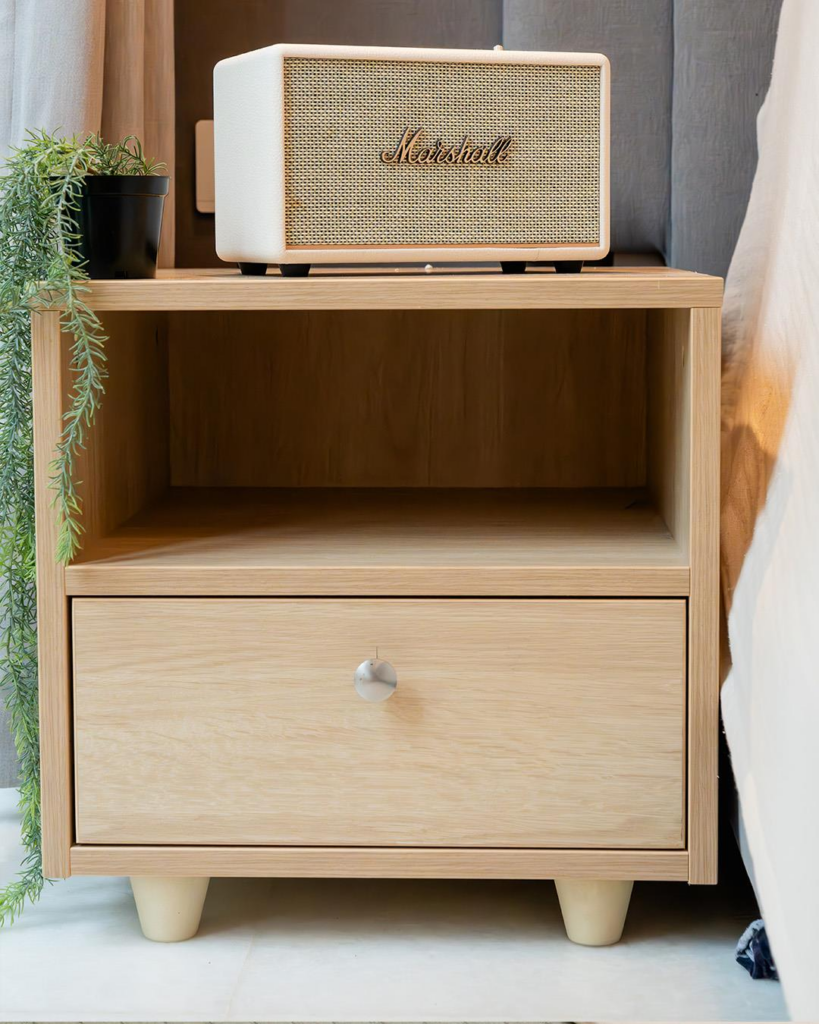
5. FOCUS ON PASSIVE COMFORT
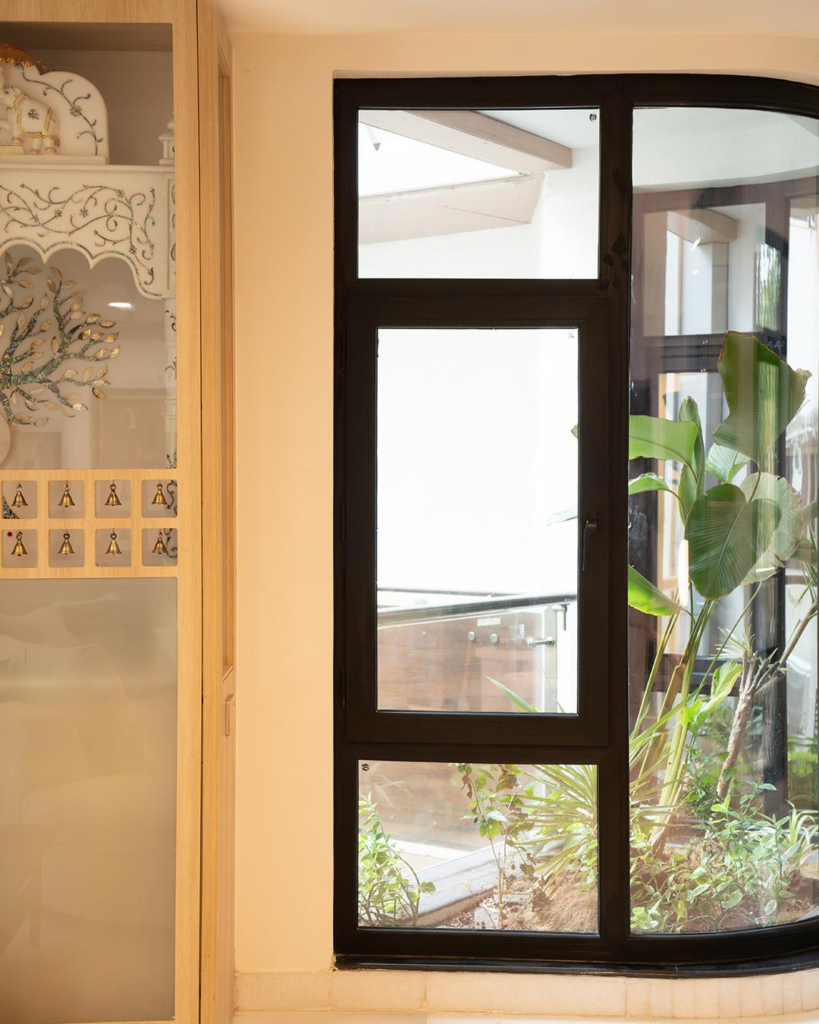
Good design and good architects in Chennai reduces dependence on mechanical systems. Prioritize natural light, cross-ventilation, and thermal balance. These strategies improve occupant comfort while lowering energy consumption. They also create more dynamic and pleasant interior environments. Passive design responds directly to climate rather than resisting it.
Passive comfort strategies not only save energy but also create healthier living environments. They reduce reliance on artificial lighting and air conditioning. This leads to long-term
operational savings and reduced carbon footprint.Designing with climate in mind is essential for truly sustainable interiors.
ABOUT THE FIRM:
Midori Architects brings deep expertise in climate-responsive design to every coastal waterfront project. Founded by sustainable architecture pioneer Suraksha Acharya, our Chennai-based team understands the unique challenges & opportunities of India’s diverse climates—from humidity to intense monsoons.
Our award-winning approach to waterfront architecture integrates environmental performance with luxury experience, developing successful & fluid designs that gracefully thrives in dynamic conditions.
Every coastal project reflects our commitment to designs that capture natural forces, reduce operational costs & create memories that celebrate rather than isolated from the marine environment. We believe the future of waterfront development lies in buildings that breathe with the ocean.