
- admin
- /
Beyond traditional beachfront:
Designing climate-smart resorts along Chennai's coast
What if the secret to sustainable coastal tourism lies not in fighting nature, but in dancing with it?
Waterfronts have anchored human civilization since our earliest settlements—from ancient fishing villages to industrial ports to modern resort destinations. This evolution reflects humanity’s enduring relationship with water, but also reveals a critical shift in how we approach coastal development. Where once we prioritized extraction & industry, today’s coastal architecture must balance luxury with ecological responsibility.
Chennai’s East Coast exemplifies this transformation. Once dominated by fishing communities & industrial activity, this shoreline now hosts innovative hospitality projects that respond to both client desires for exclusive experiences & critical climatic variations.
With coastal tourism booming & climatic threats mounting, could true luxury mean designing with nature instead of against it? Let’s explore 7 principles of climate-responsive waterfront design that harmonize with the ocean & turn environmental challenges into design potential.
1. historical wisdom meets modern innovation
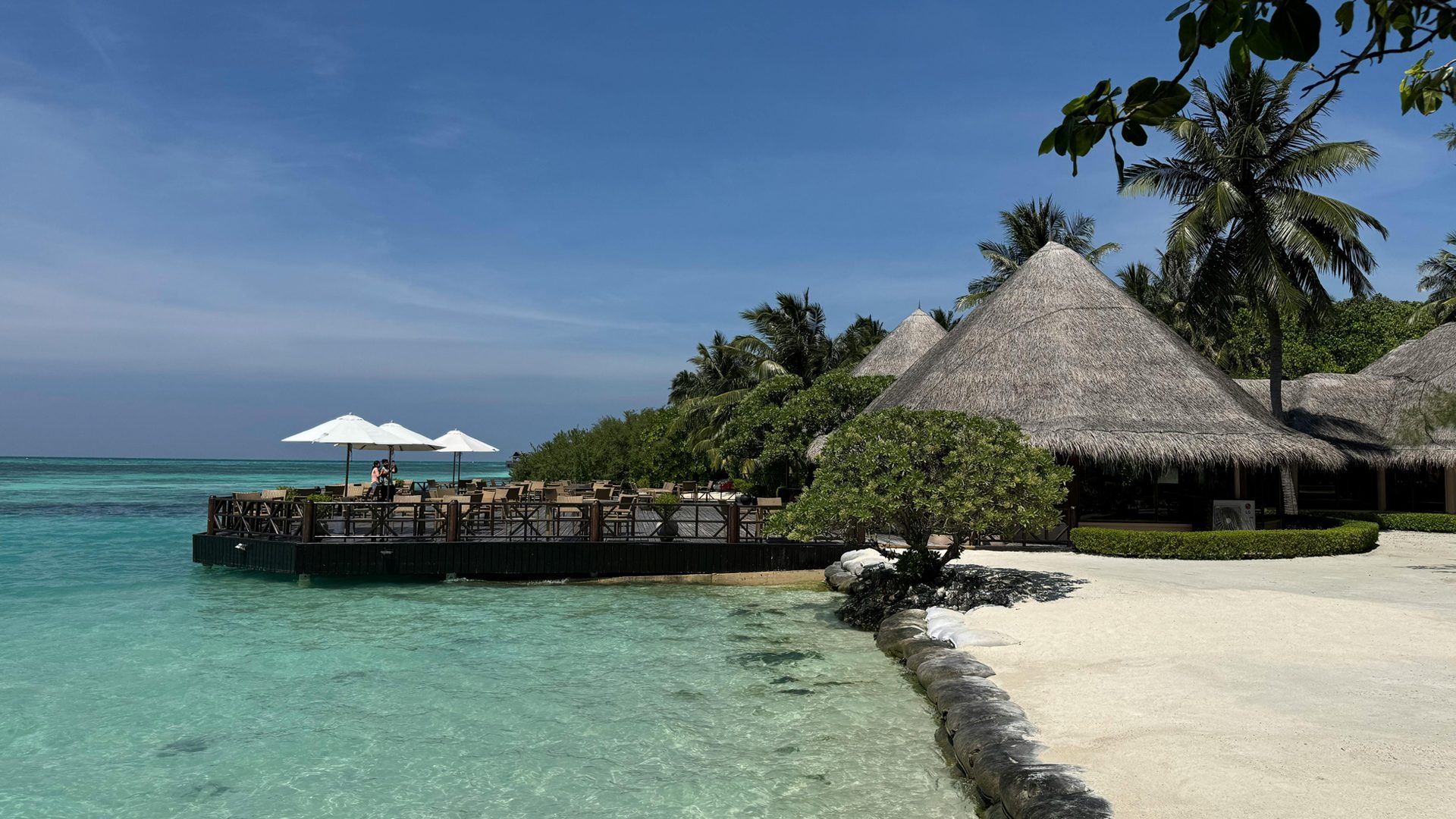
Waterfront development has always adapted to fluctuating economic needs—from fishing villages to trading ports to industrial hubs. Today’s coastal resorts follow this trend, but with the influence of ecological consciousness. Integrating cues from traditional coastal architecture with contemporary sustainability interventions together create buildings that respect heritage & future needs.
2. Strategic site positioning for multiple benefits
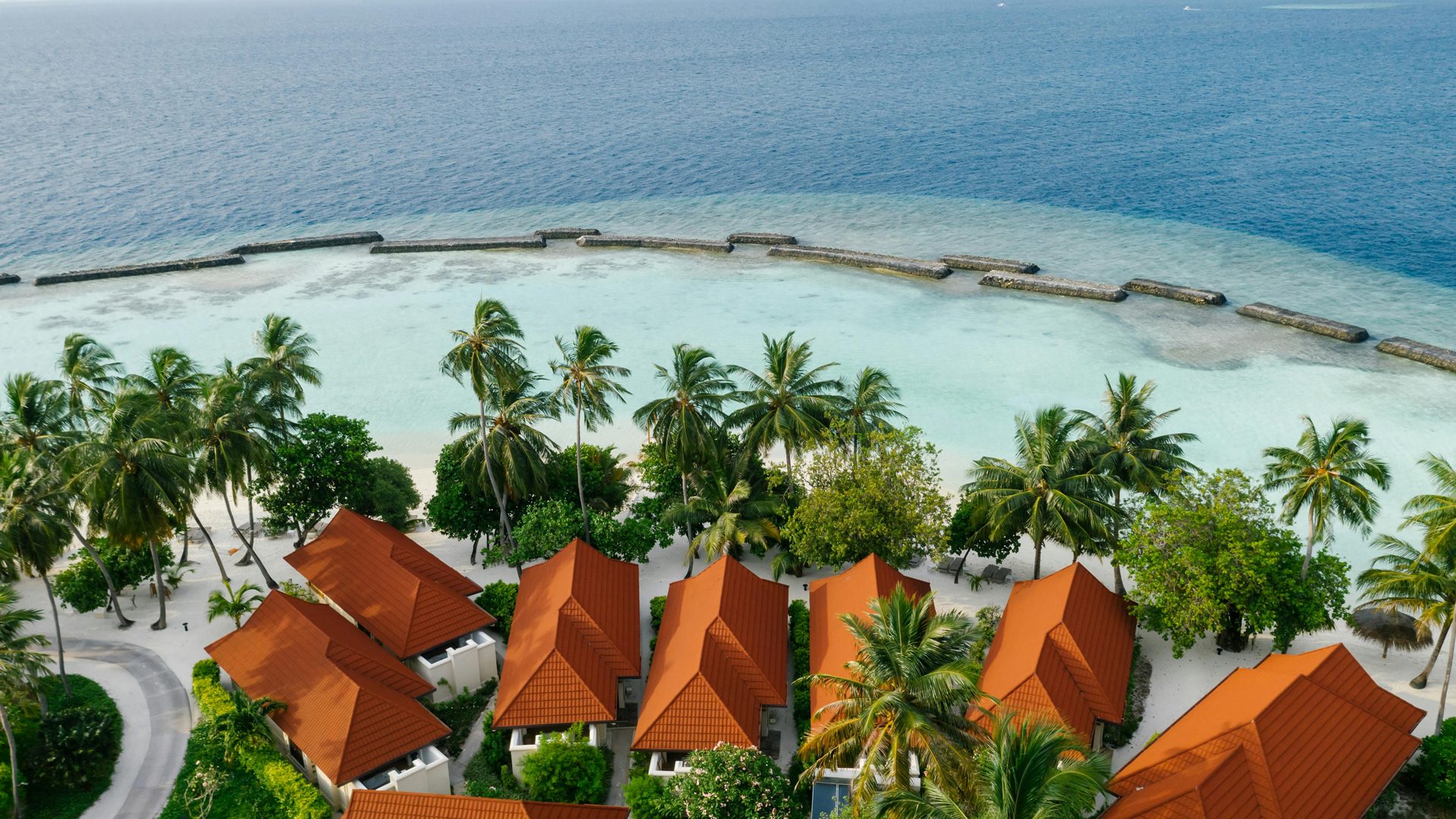
Successful waterfront projects maximize natural advantages while minimizing environmental impact. This means analysing prevailing winds, sun paths & seasonal weather patterns to orient structures for optimal energy performance. Designing buildings that work with coastal conditions is crucial rather than installing energy-intensive systems to overcome them.
3. biomimetic design languages
Nature provides the best templates for coastal architecture. Wave-inspired forms are both aesthetically pleasing & functionally superior for coastal environments. Organically curved shells naturally shed wind loads, enhance airflow patterns & effectively collect & channel rainwater whilst reducing structural load
4. Optimized orientation for climate control
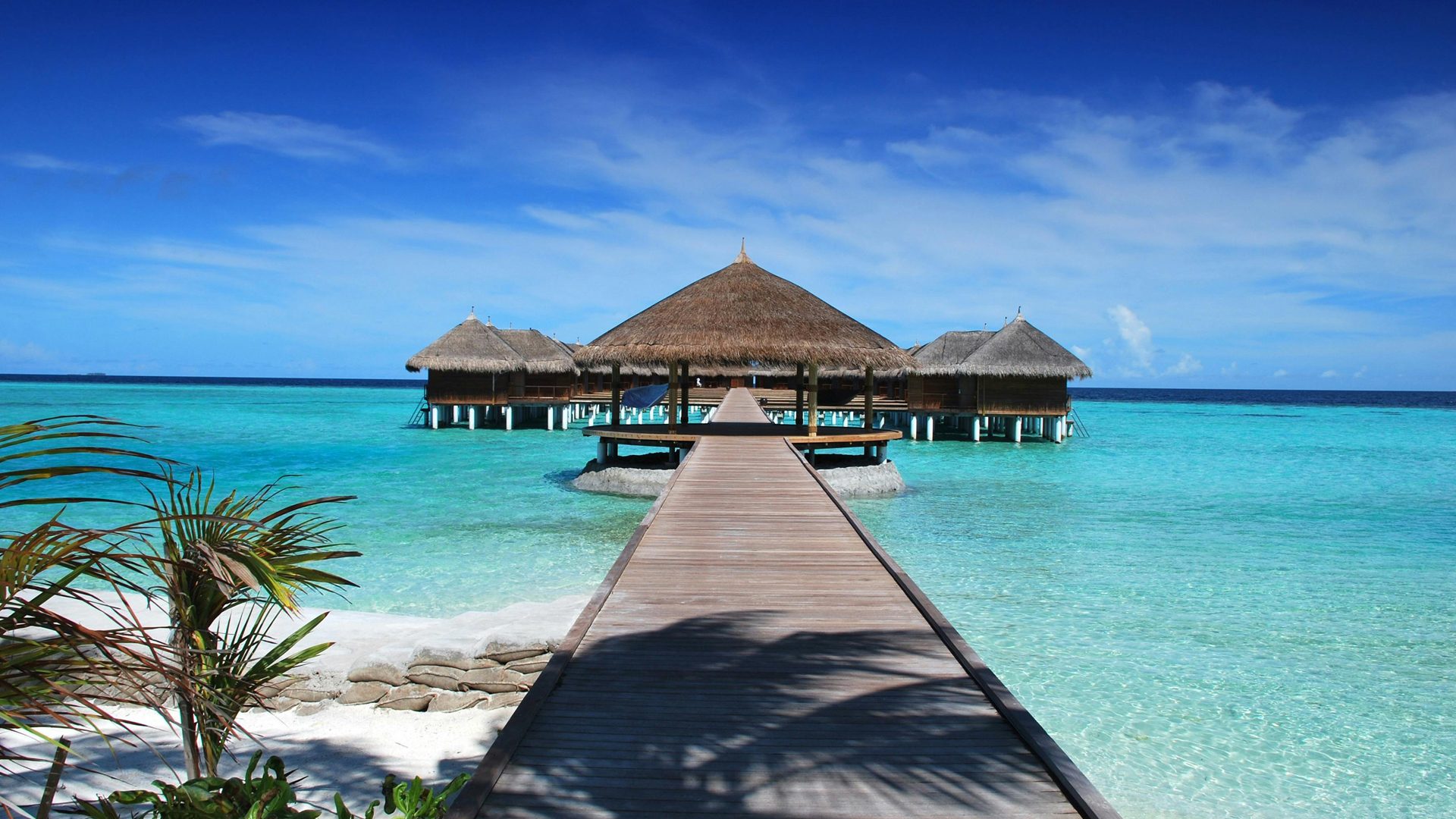
In tropical coastal environments, building orientation primarily influences energy performance. Structures positioned to capture prevalent winds while minimizing harsh sun exposure achieve cooling loads reduction by 40-60%. This principle applies to designing singular & clustered resort complexes.
5. modular flexibility for changing conditions
Coastal environments change seasonally & over time. Successful waterfront architecture incorporates adaptability through modular design, flexible spaces & systems that can be adjusted for different weather patterns. This approach extends building lifespan while maintaining optimal performance across varying conditions.
6. landscpae integration for resilience
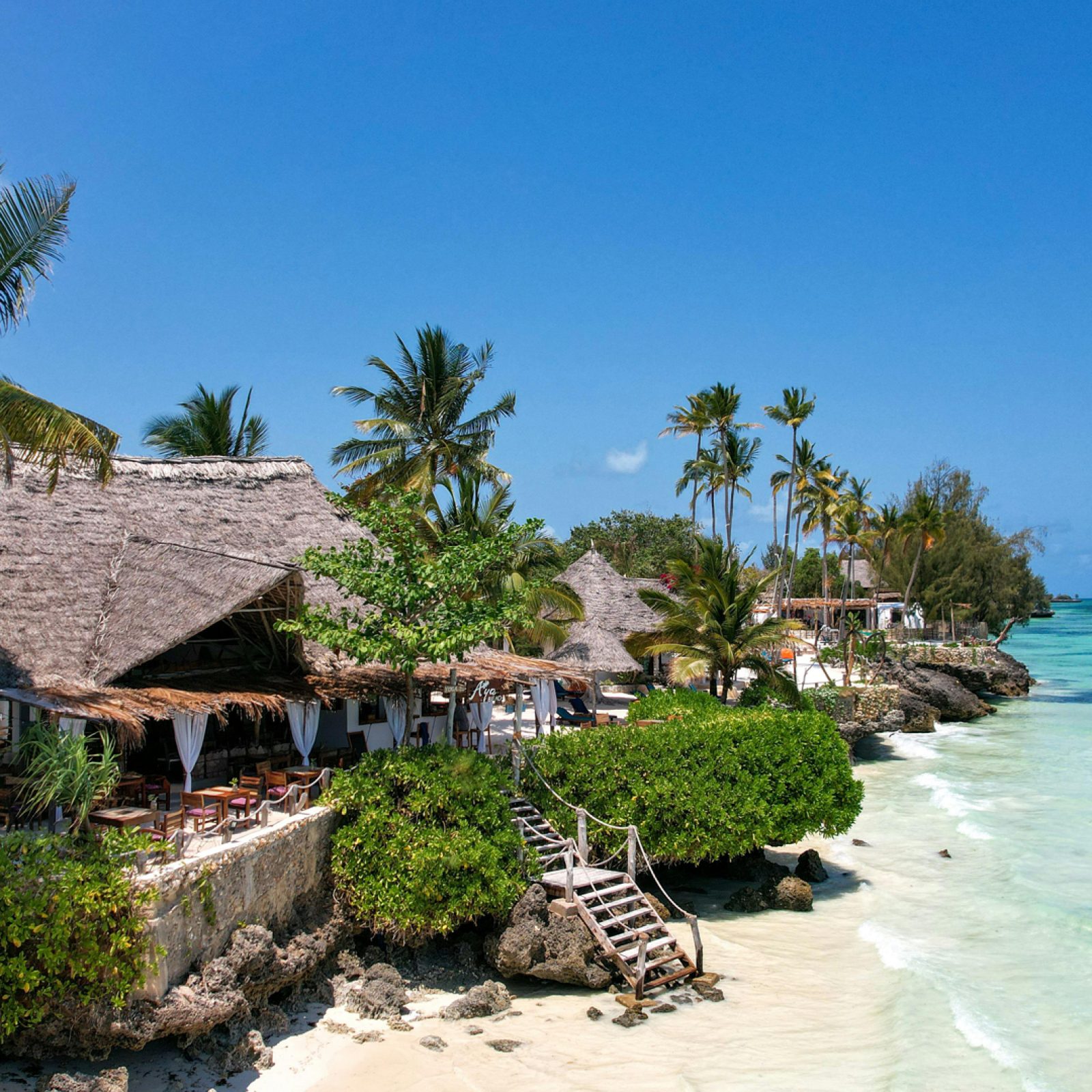
The boundary between building & landscape should be permeable in coastal environments. Native vegetation provides natural storm protection, reduces heat island effects & creates habitat corridors. Integrated landscape design enhances both environmental performance & guest experience while requiring minimal maintenance.
7. integrated water & wind management
Coastal buildings must endure intense humidity & strong winds. Smart design captures & neutralizes these forces productively using curved surfaces for rainwater collection, strategically placed openings for cross-ventilation & overhangs for weather protection without blocking airflow.
case study: itc grand fortune resort, uthandi-pod architecture in practice

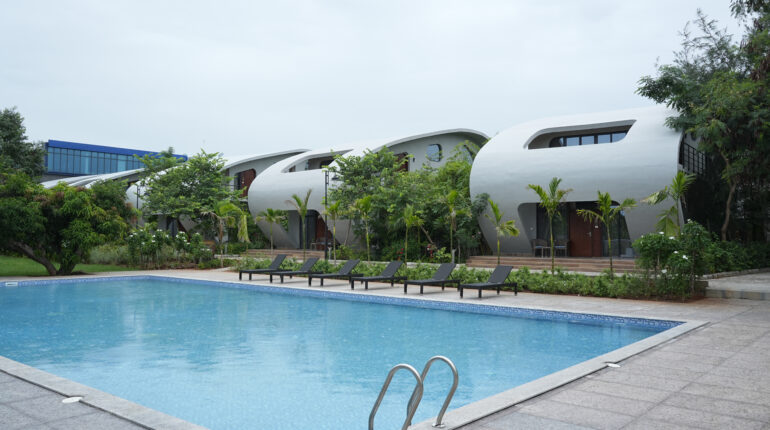
Midori’s innovative ITC Grand Fortune Resort in Uthandi, Chennai demonstrates these principles through its distinctive pod-based design, transforming a 6-acre coastal site into a luxury experience that works with rather than against its tropical environment.
Project Scope: Ten symmetrical pod structures across 200 meters of the East Coast shoreline, each offering 2,200 sq. ft. of private accommodation with panoramic ocean vistas.
Design Innovation: The resort’s curvilinear concrete shells directly mimic ocean wave patterns—not just for visual appeal, but for functional performance. These undulating forms naturally shed monsoon rains, optimize airflow patterns & create structural efficiency that reduces material requirements.
key design elements
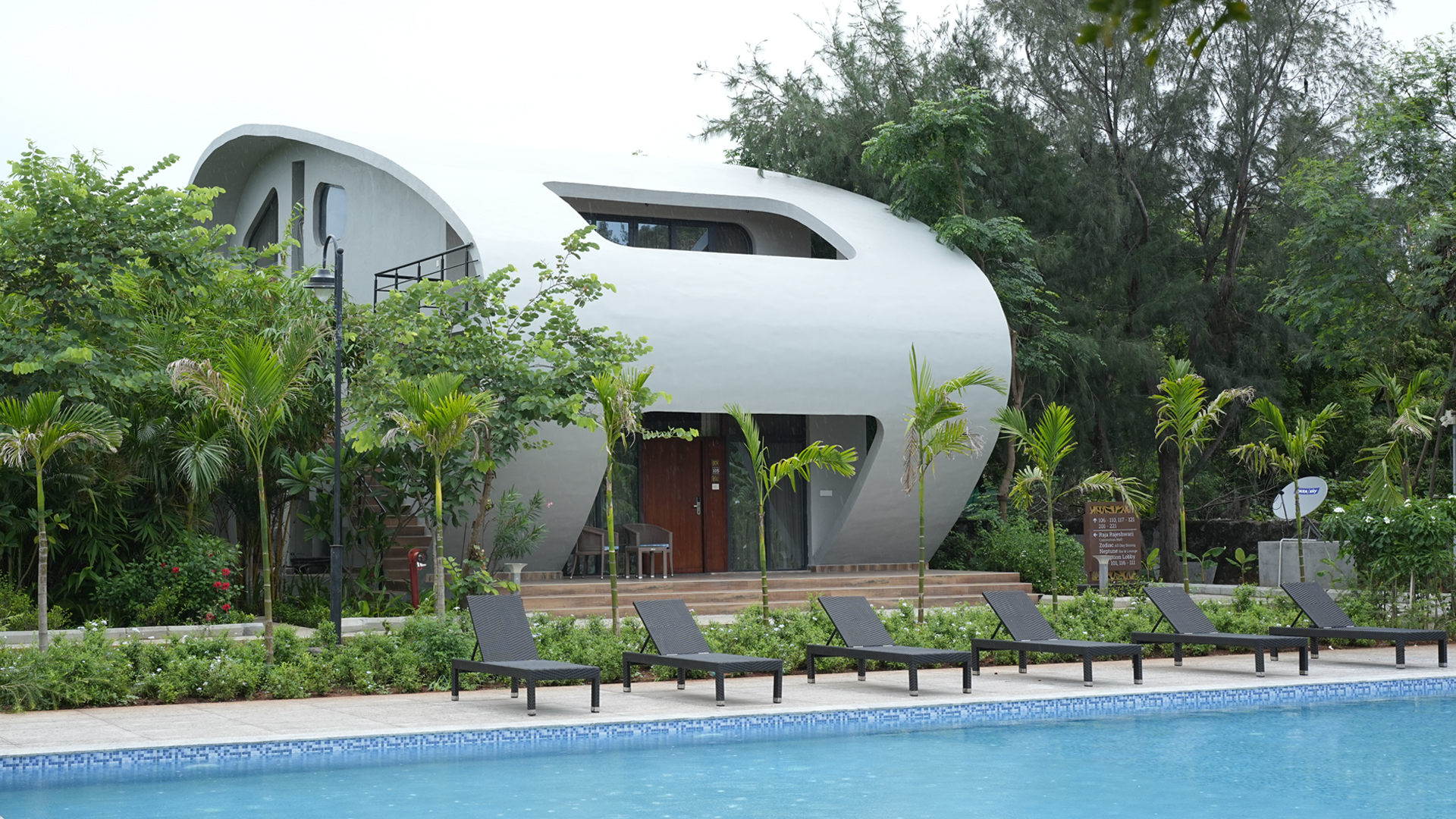
- Generous overhangs protect against tropical sun while preserving ocean views.

- Diagonal positioning maximizes cross-ventilation from prevalent Eastern & Northern winds.
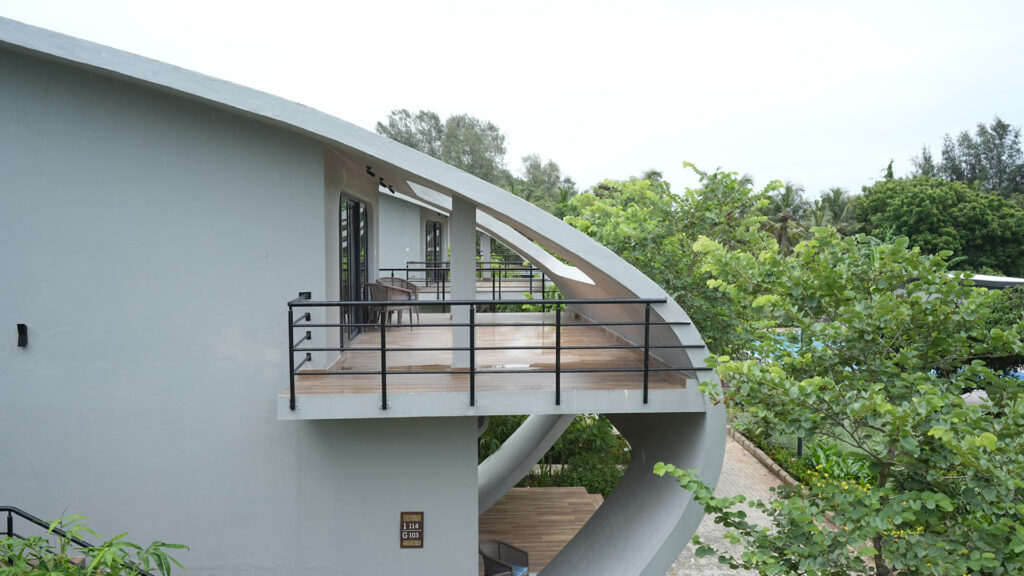
- Curved surfaces efficiently collect rainwater while reducing wind loads.
- Compact footprint minimizes land area & embodied energy consumption.
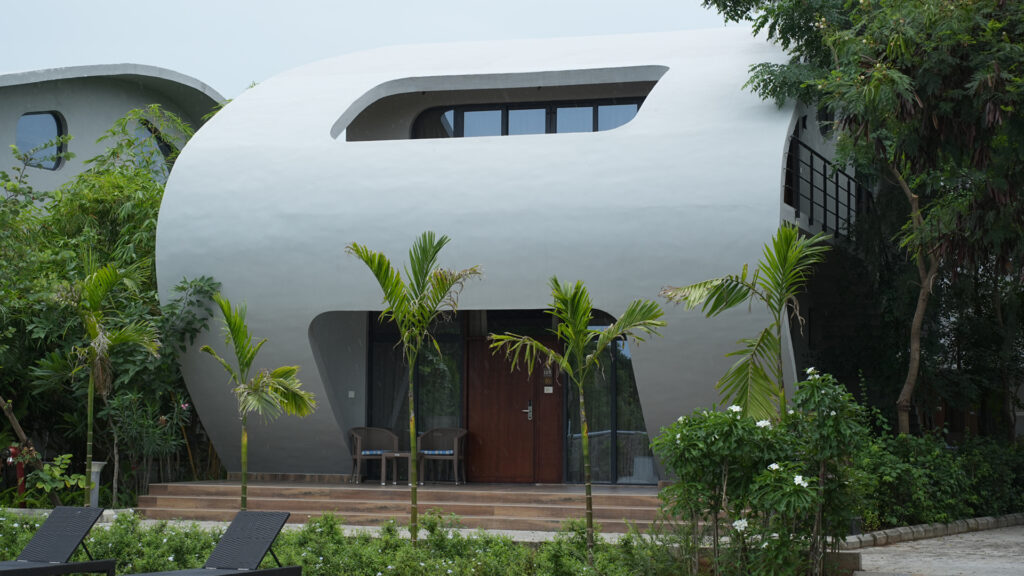
- Integrated landscaping provides natural cooling & storm protection.
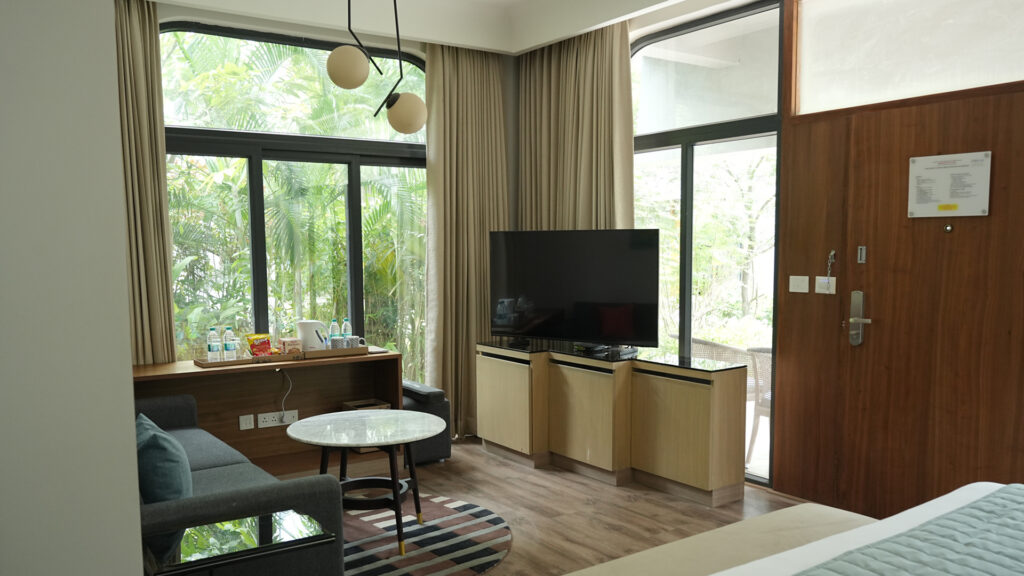
- User Experience: Every pod assures complete privacy with connectivity to the coastal environment. Primary suites offer picturesque views, while secondary spaces open to landscaped courtyards which provide respite from the harsh sun. This approach proves that environmental responsibility & luxury experience mutually reinforce design opportunities in creating comfy, efficient & memorable spaces than conventional resort architecture.
design with coastal forces, not against them
The future of waterfront development lies in recognizing that sustainable design is about liberation than limitation. By working with nature’s forces, architects can create experiences that are luxurious, efficient & resilient than traditional approaches.
Midori’s ITC Grand Fortune Resort represents this new paradigm- the architecture that captures ocean winds, channels rainfall & frames coastal views with least energy consumption & environmental impact.
Ready to explore how climate-responsiveness can transform your project? Partner with Midori Architects to craft waterfront architecture that blends luxury with environmental intelligence, designed in harmony with nature’s rhythm.
about the firm
Midori Architects brings deep expertise in climate-responsive design to every coastal waterfront project. Founded by sustainable architecture pioneer Suraksha Acharya, our Chennai-based team understands the unique challenges & opportunities of India’s diverse climates—from humidity to intense monsoons.
Our award-winning approach to waterfront architecture integrates environmental performance with luxury experience, developing successful & fluid designs that gracefully thrives in dynamic conditions.
Every coastal project reflects our commitment to designs that capture natural forces, reduce operational costs & create memories that celebrate rather than isolated from the marine environment. We believe the future of waterfront development lies in buildings that breathe with the ocean.