
- admin
- /
WHY GOOD THINGS COME IN SMALL PACKAGES: DESIGNING COMPACT, EFFICIENT SPACES
As cities densify and lifestyles evolve, compact living is no longer a constraint it’s an opportunity. Smaller homes challenge architects and designers to rethink spatial value, but best architects in Chennai pushing every square foot to perform better. The shift is not just about fitting more into less, but about eliminating excess and focusing on what truly enhances daily living.
In many projects, clients initially associate limited area with limitation. However, once the design process begins, the narrative shifts—from scarcity to optimization. The absence of excess forces clarity in decision-making: what is essential, what can be flexible, and what can be eliminated. This process often results in spaces that feel more curated and intentional than larger homes filled without direction.
Compact design also aligns closely with sustainable thinking. Less built area means
reduced material consumption, lower energy demand, and more efficient maintenance
over time. In this sense, designing small is not just a spatial strategy—it is an environmental and lifestyle decision.
1.SMART PLANNING OVER SIZE
Efficient layouts are the backbone of compact design. Every square foot must justify its
existence. This means minimizing corridors, aligning functions logically, and ensuring
seamless movement across spaces. Open-plan strategies often work well, but only when
zoning is handled carefully through furniture placement, level differences, or subtle partitions.
Interior design firms in Chennai have the goal is to avoid leftover or “dead” spaces. Corners, niches, and transitional zones should be absorbed into usable functions—whether as storage, seating, or work areas. A well-planned compact home feels intuitive, where movement is fluid and nothing feels redundant.
2.MULTI – FUNCTIONAL DESIGN THINKING
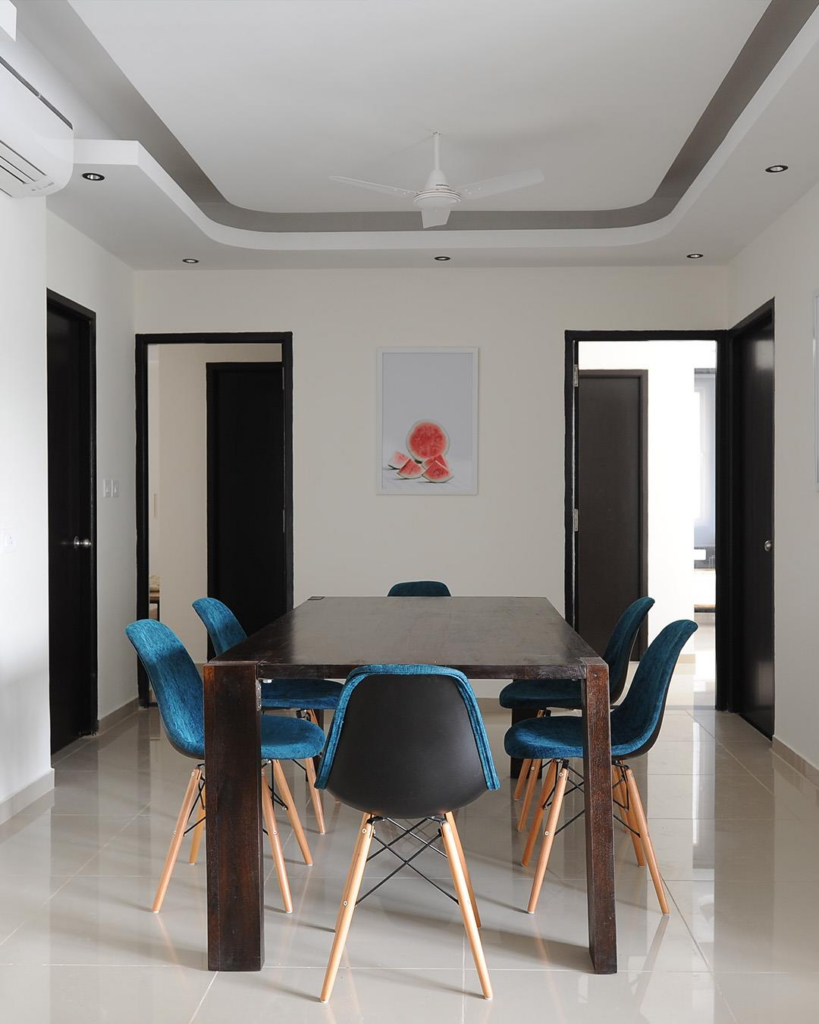
In smaller homes, flexibility is critical. Spaces are no longer defined by a single use but evolve throughout the day. A dining table can double as a workspace, a bed can fold into a wall, and a partition can slide to reconfigure privacy levels.
This approach requires early integration between architecture and furniture design. Custom solutions often outperform standard furniture because they are tailored to exact dimensions and user needs. The result is a home that adapts to lifestyle rather than forcing lifestyle to adapt to space.
3.VERTICAL UTILIZATION
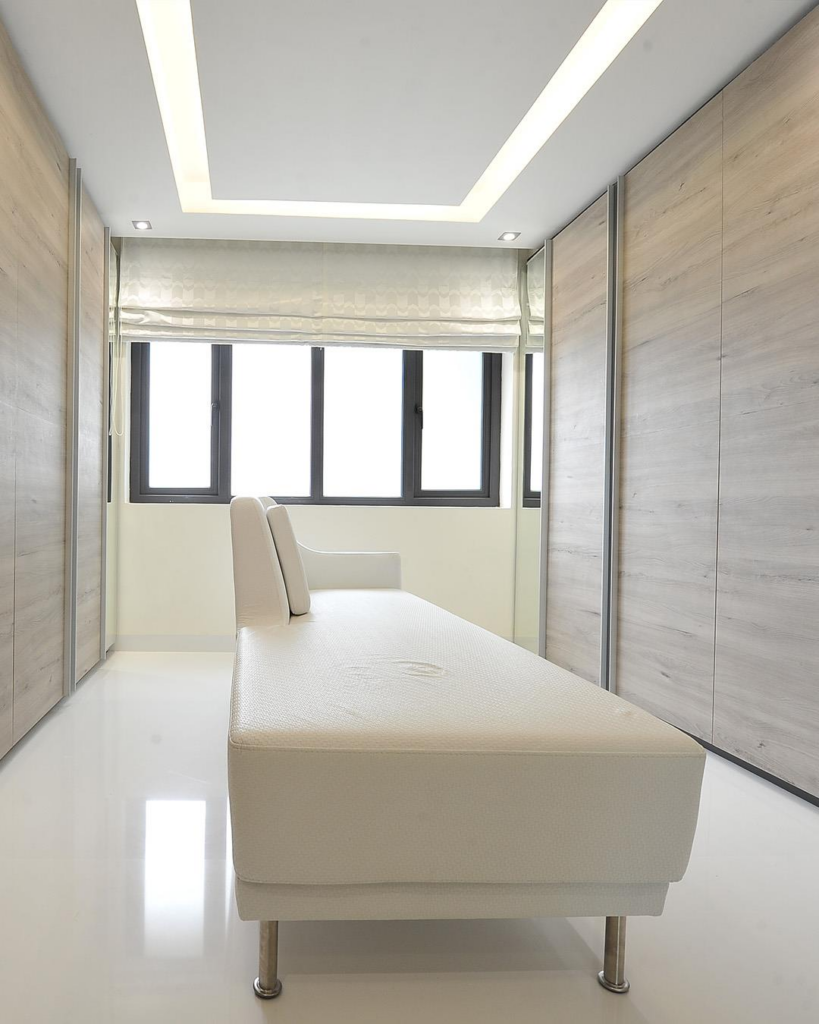
When horizontal expansion is limited, vertical thinking becomes essential. Full-height
storage, mezzanine levels, and stacked functionalities allow designers to unlock hidden capacity within the same footprint.
However, vertical design must balance accessibility and proportion. Overloading upper
zones can create visual heaviness or usability issues. The key is to distribute storage intelligently—frequently used items within reach, less-used elements placed higher—while maintaining visual lightness.
4.LIGHT, MATERIAL & PERCEPTION
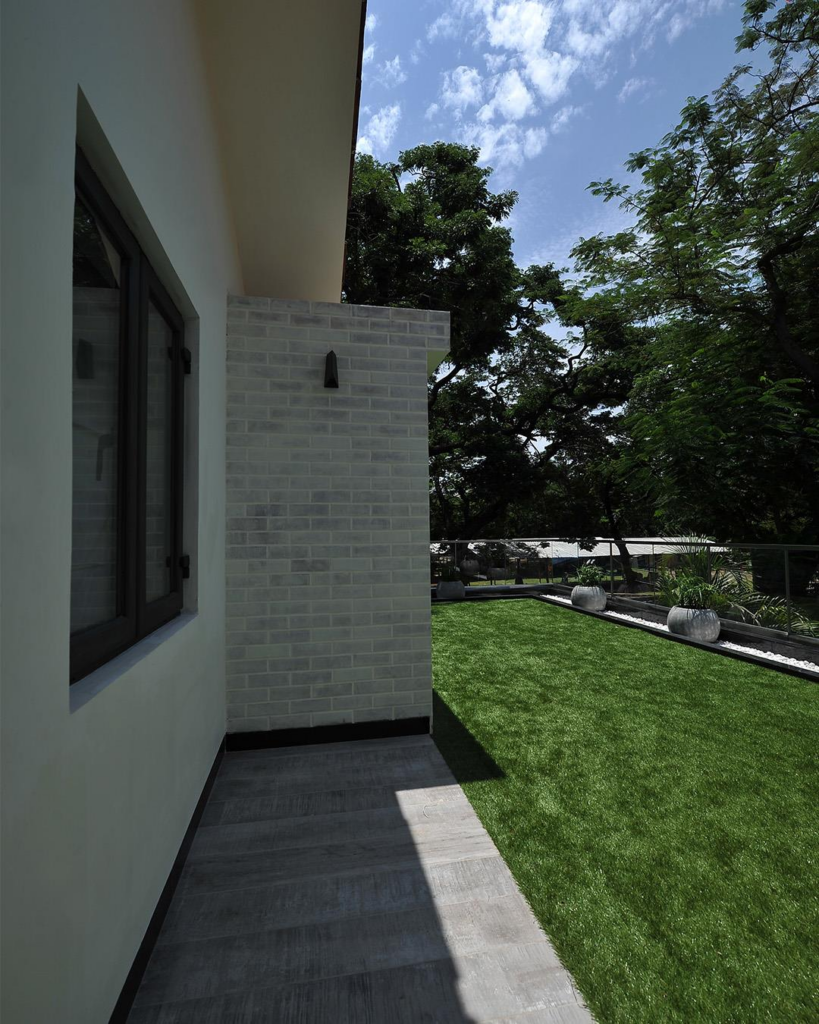
Perception often defines how large a space feels. Natural light plays a crucial role in expanding this perception. Large openings, unobstructed windows, and light-filtering elements can make even compact interiors feel open and breathable.
Material continuity is equally important. Using a limited palette across floors, walls, and
joinery reduces visual breaks, creating a sense of cohesion. Reflective surfaces, mirrors, and glass elements further amplify light and depth.
Colour strategy also matters—lighter tones tend to recede, making spaces feel larger, while darker accents can be used selectively to add depth and contrast without overwhelmingthe space.
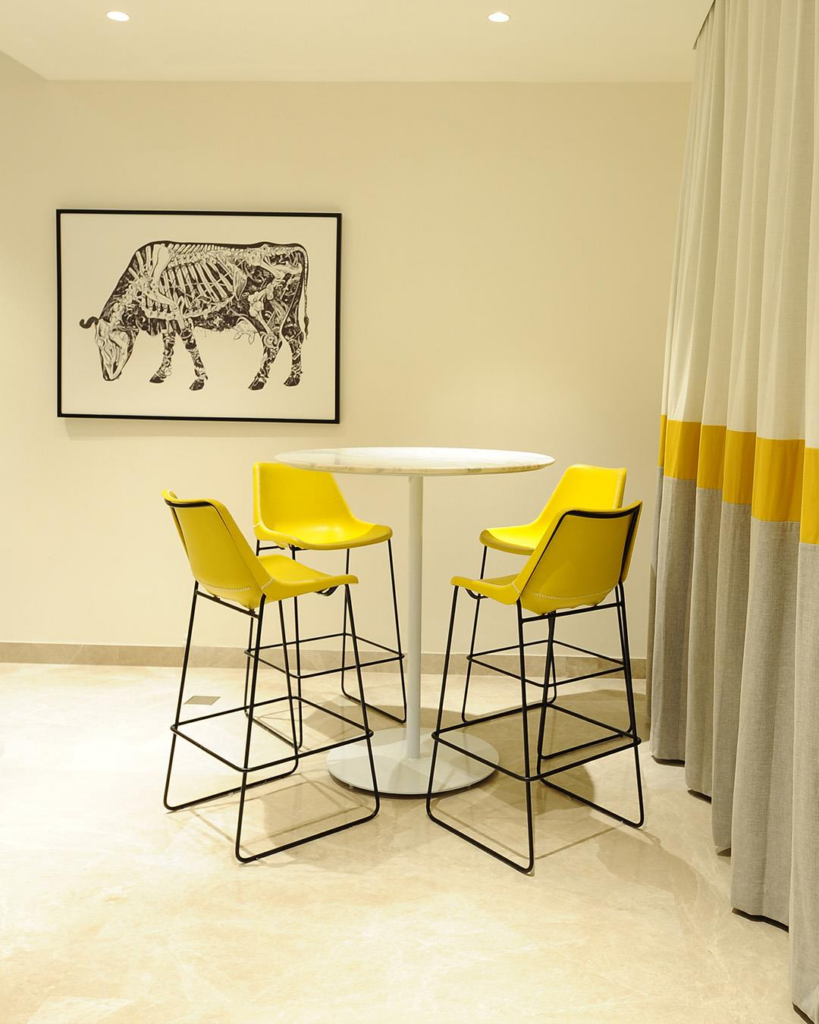
5.PERCISION IN DETAILING AND EXECUTION
In compact spaces, there is no room for error. Every junction, edge, and alignment is visible and impactful. Poor detailing can quickly lead to visual clutter, while precise execution creates a sense of calm and order.
Concealed storage, flush finishes, and integrated services help maintain a clean visual language. Even small decisions—like handle profiles, shadow gaps, or skirting details— contribute to the overall perception of space. This is where craftsmanship and coordination between design and execution teams become critical. The smaller the space, the higher the demand for precision
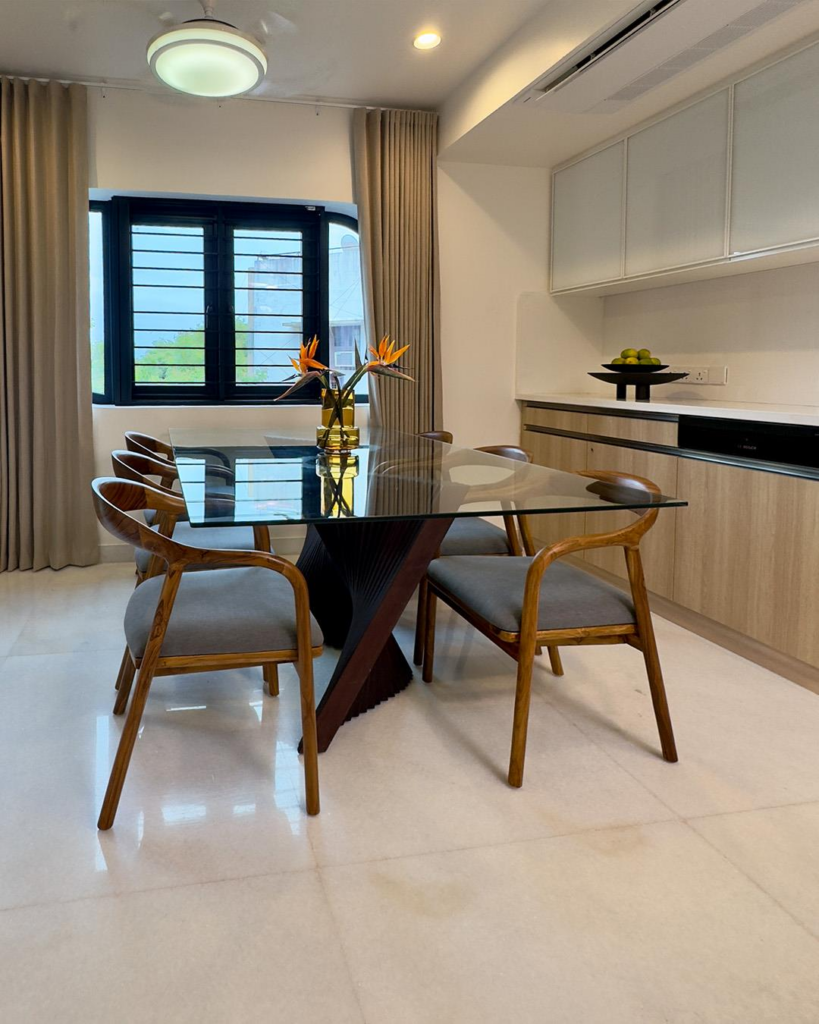
ABOUT THE FIRM:
Midori Architects brings deep expertise in climate-responsive design to every coastal waterfront project. Founded by sustainable architecture pioneer Suraksha Acharya, our Chennai-based team understands the unique challenges & opportunities of India’s diverse climates—from humidity to intense monsoons.
Our award-winning approach to waterfront architecture integrates environmental performance with luxury experience, developing successful & fluid designs that gracefully thrives in dynamic conditions.
Every coastal project reflects our commitment to designs that capture natural forces, reduce operational costs & create memories that celebrate rather than isolated from the marine environment. We believe the future of waterfront development lies in buildings that breathe with the ocean.