
- admin
- /
HOW TO REVOLUTIONIZE COMMERCIAL ARCHITECTURE WITH ECO FRIENDLY PRACTICES
As the demand for responsible development grows, commercial architecture is
undergoing a necessary shift. Today’s buildings are no longer judged only by scale or
aesthetics, but by how efficiently they use resources, respond to climate, and support long-
term sustainability. Eco-friendly practices are not add-ons—they are fundamental design
decisions that influence performance, cost, and environmental impact.
In commercial projects, good architects in Chennai where energy consumption and
material use are significantly higher, sustainable strategies have the potential to create
measurable change. When approached holistically, these practices reduce operational
costs, improve occupant well-being, and future-proof assets against evolving
environmental standards.
1.CLIMATE-RESPONSIVE DESIGN
Every site comes with its own environmental conditions, and the most effective buildings
respond directly to them. Orientation, sun path, prevailing winds, and surrounding context
should inform the planning process from the outset.
By optimizing natural light and ventilation, buildings reduce dependency on artificial
systems. Shading devices, thermal mass, and façade articulation help control heat gain
while maintaining comfort. This passive-first approach ensures that sustainability begins with design intelligence rather than mechanical intervention.
2. ENERGY-EFFICIENT SYSTEMS
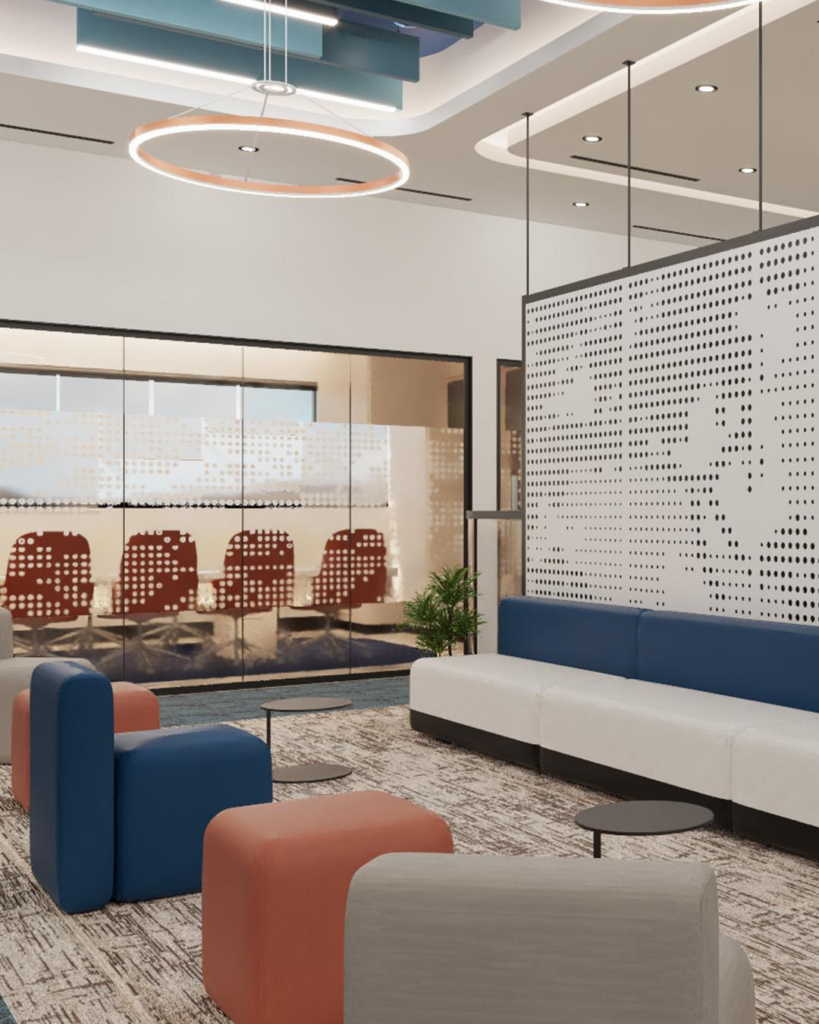
Commercial building architect near me consumes substantial energy, making efficiency a critical factor. Integrating high-performance HVAC systems, LED lighting, and smart energy management systems significantly lowers operational demand.
gain—critical for Chennai’s warm climate.Renewable energy sources such as solar panels can further offset consumption. When combined with efficient building envelopes and insulation strategies, these systems createa balanced energy model that reduces long-term costs and environmental footprint.
3. MATERIAL SELECTION WITH INTENT
Materials play a key role in both environmental impact and building longevity. Choosing locally sourced, recycled, or low-embodied energy materials minimizes transportation
impact and supports sustainable supply chains.
Durability is equally important. Materials that age well and require minimal maintenance contribute to long-term efficiency. Thoughtful selection ensures that sustainability extends beyond construction into the building’s lifecycle.
4. WATER MANAGEMENT STRATEGIES
Water conservation is often overlooked in commercial architecture but remains essential.Systems such as rainwater harvesting, greywater recycling, and efficient plumbing fixtures reduce overall consumption.
Landscape design also contributes to water efficiency. Native planting and permeable
surfaces help manage runoff while reducing irrigation needs, creating a balanced and
resilient site ecosystem.
5. FLEXIBLE AND ADAPTIVE SPACES
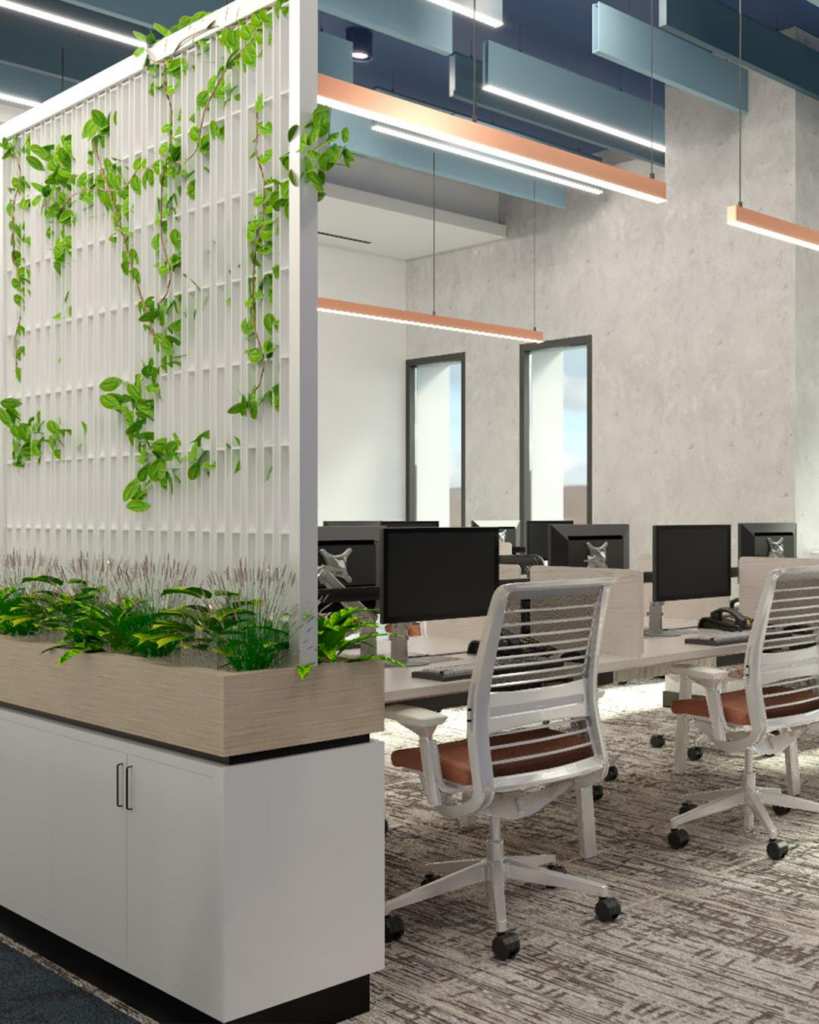
Sustainability is not only about resources—it is also about longevity. Designing flexible spaces allows buildings to adapt to changing needs over time, reducing the need for future demolition or extensive renovation. Modular planning, open layouts, and adaptable infrastructure ensure that spaces remain relevant and functional, extending the life of the building and minimizing waste.ABOUT THE FIRM:
Midori Architects brings deep expertise in climate-responsive design to every coastal
waterfront project. Founded by sustainable architecture pioneer Suraksha Acharya, our
Chennai-based team understands the unique challenges & opportunities of India’s diverse
climates—from humidity to intense monsoons.
Our award-winning approach to waterfront architecture integrates environmental
performance with luxury experience, developing successful & fluid designs that gracefully thrives in dynamic conditions.
Every coastal project reflects our commitment to designs that capture natural forces, reduce operational costs & create memories that celebrate rather than isolated from the marine environment. We believe the future of waterfront development lies in buildings that breathe with the ocean.